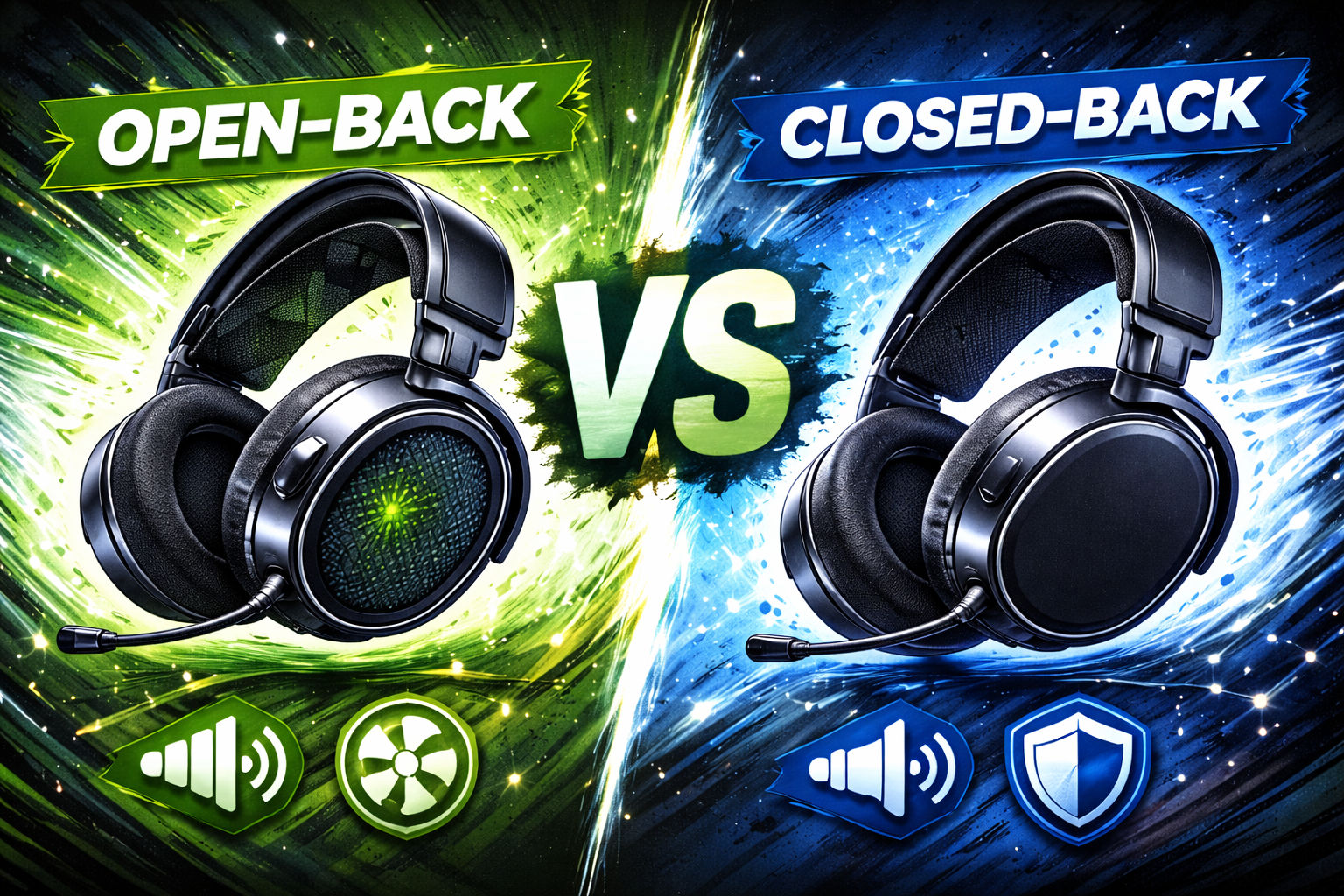
Open-Back vs Closed-Back Gaming Headsets
Understanding the fundamental design difference that affects sound quality, comfort, and gaming performance—and which type matches your setup.
When shopping for a gaming headset, you’ll quickly encounter two design philosophies that fundamentally change how your headset sounds and performs: open-back and closed-back. While this distinction might seem like technical jargon, it’s actually one of the most important factors in determining whether a headset will work for your specific gaming setup and preferences. The design affects everything from sound quality to comfort to whether your roommates will appreciate your 3 AM gaming sessions.
How Closed-Back Headsets Work
Closed-back designs are what most people picture when they think of gaming headsets. The HyperX Cloud Alpha, Razer BlackShark V3, SteelSeries Arctis Nova series—these are all closed-back designs. When the driver (speaker) vibrates to create sound, all that acoustic energy is directed straight into your ear canal with nowhere else to go.
This sealed design creates acoustic isolation in both directions. External sounds have difficulty penetrating the ear cups, and your game audio doesn’t escape to disturb others around you. The sealed chamber also affects how sound develops—bass frequencies in particular benefit from the enclosed space, often delivering punchier, more pronounced low-end response.
However, this sealed environment comes with acoustic compromises. Sound waves don’t just travel into your ear—they also reflect off the back of the ear cup, creating internal resonances and potentially muddying the audio. The pressure buildup inside the sealed chamber can also lead to heat accumulation during extended gaming sessions, requiring you to occasionally “vent” your ears for comfort.
How Open-Back Headsets Work
Open-back headsets like the Beyerdynamic MMX 330 Pro, Turtle Beach Atlas Air, and Sennheiser HD 560S take a completely different approach. The perforated or mesh-covered ear cups allow sound waves to escape freely, preventing pressure buildup and internal reflections that can color the audio.
This design philosophy prioritizes natural sound reproduction over isolation. When you’re listening to open-back headphones, you’re hearing something closer to how sound behaves in the real world—traveling in all directions, not trapped in a box. This creates what audiophiles call a “wider soundstage,” where audio feels less like it’s being pumped directly into your head and more like you’re sitting in the middle of the game’s environment.
The trade-off is obvious: if sound can escape freely outward, it can also enter freely inward. You’ll hear ambient noise around you, and anyone nearby will hear a tinny, muffled version of your game audio leaking out.
Who Should Choose Closed-Back?
Closed-back headsets are the right choice if:
You game in shared spaces or at times when others are around. The isolation works both ways—you don’t disturb others, and they don’t disturb you. This alone makes closed-back the only practical option for most households.
You prioritize bass-heavy, visceral audio. Action games, racing games, and cinematic single-player experiences often benefit from the punchier bass response closed designs deliver naturally.
You need portable or versatile headphones. Taking your headset to a friend’s house, gaming in coffee shops, or using them for work calls all require closed-back isolation.
You play in moderately noisy environments. Living near traffic, in apartments with thin walls, or in active households makes open-back designs impractical.
Budget is a primary concern. The abundance of excellent closed-back options at all price points provides more choices than the relatively limited open-back market.
You prefer wireless connectivity. While wireless open-back options exist (like the Turtle Beach Atlas Air), most open-back headsets are wired, limiting convenience.
Notable Open-Back Options:

BeyerdynamicMMX 330 Pro
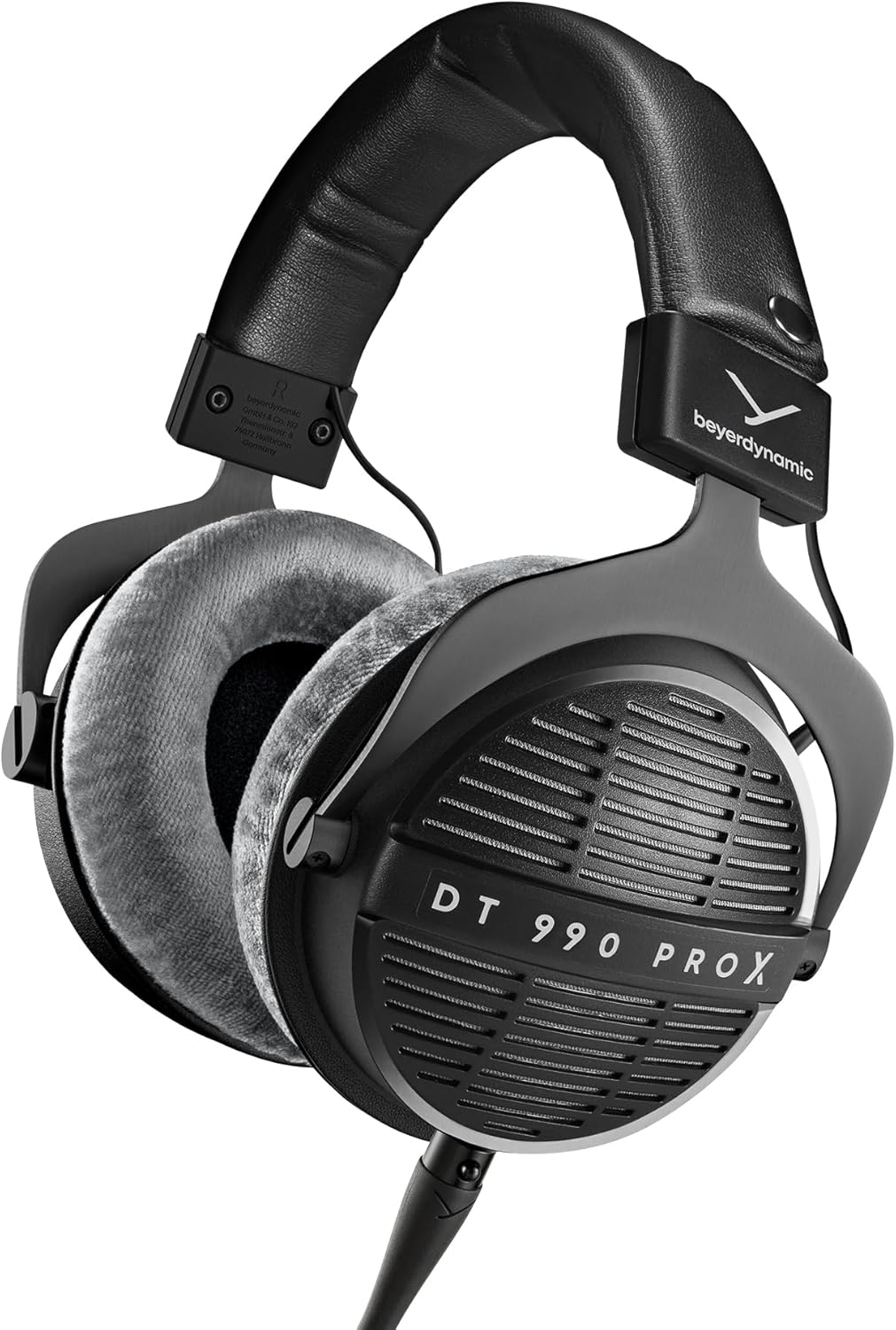
BeyerdynamicDT 900 Pro X

SennheiserHD 560S
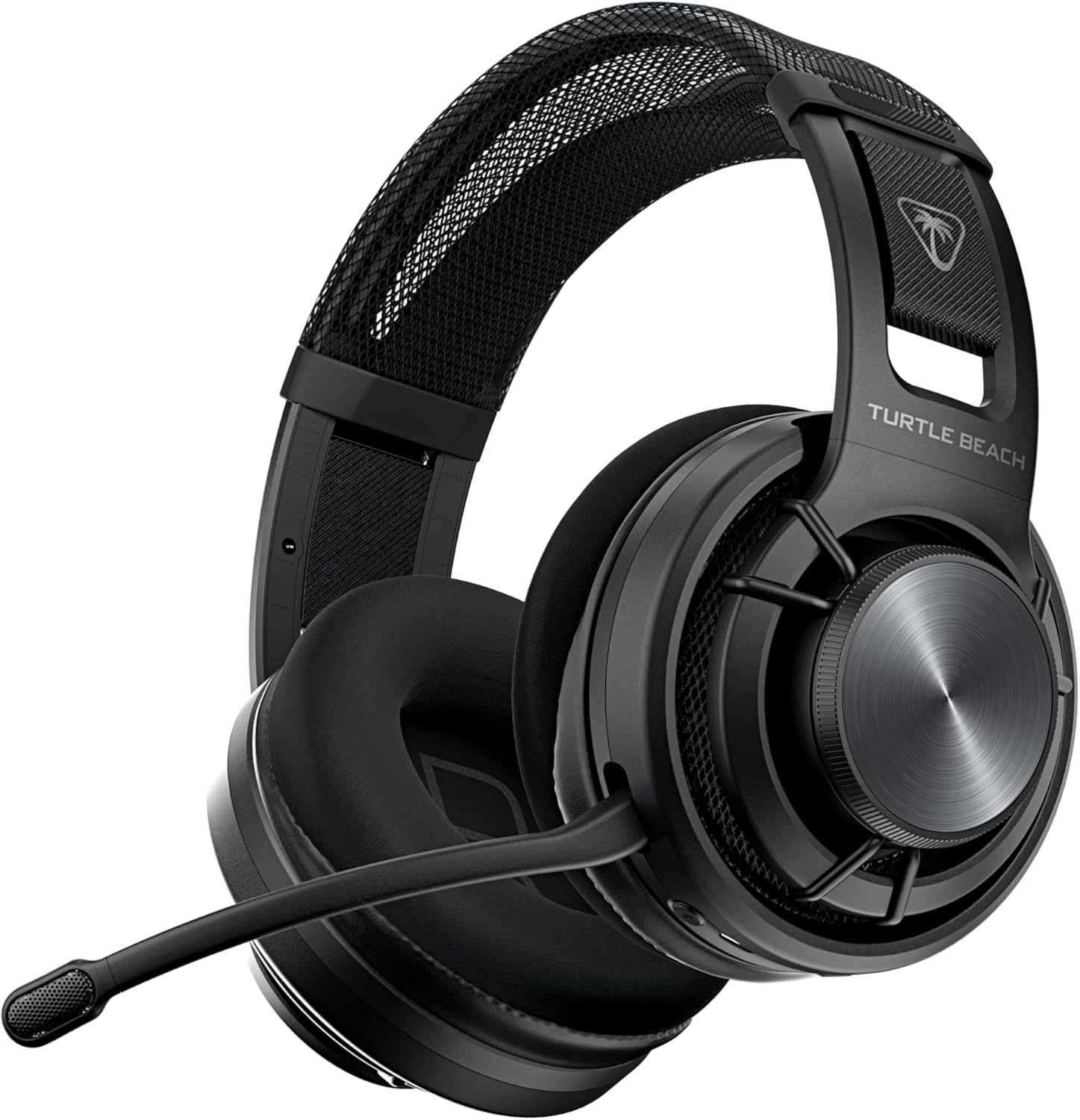
Turtle BeachAtlas Air
Who Should Choose Open-Back?
Open-back headsets are ideal if:
You have a private, quiet gaming space. A bedroom, office, or dedicated gaming room where sound leakage won’t disturb others and external noise is minimal.
Competitive gaming is a priority. The wider soundstage and superior positional audio provide genuine competitive advantages in FPS games.
You prioritize sound quality and naturalness. Audiophiles and those who appreciate accurate audio reproduction will immediately notice and prefer open-back presentation.
You stream or create content. The ability to hear your own voice naturally helps maintain appropriate speaking volumes and reduces fatigue during long streams.
Comfort during marathon sessions matters most. The breathability and reduced pressure make open-back designs less fatiguing over many hours.
You already own closed-back headsets for other situations. Many enthusiasts own both types, using closed-back for portable/shared scenarios and open-back for serious gaming in private.
You want the closest thing to speaker-quality audio in headphone form. For music listening and story-driven games, open-back designs sound more lifelike.
Notable Closed-Back Gaming Headsets:
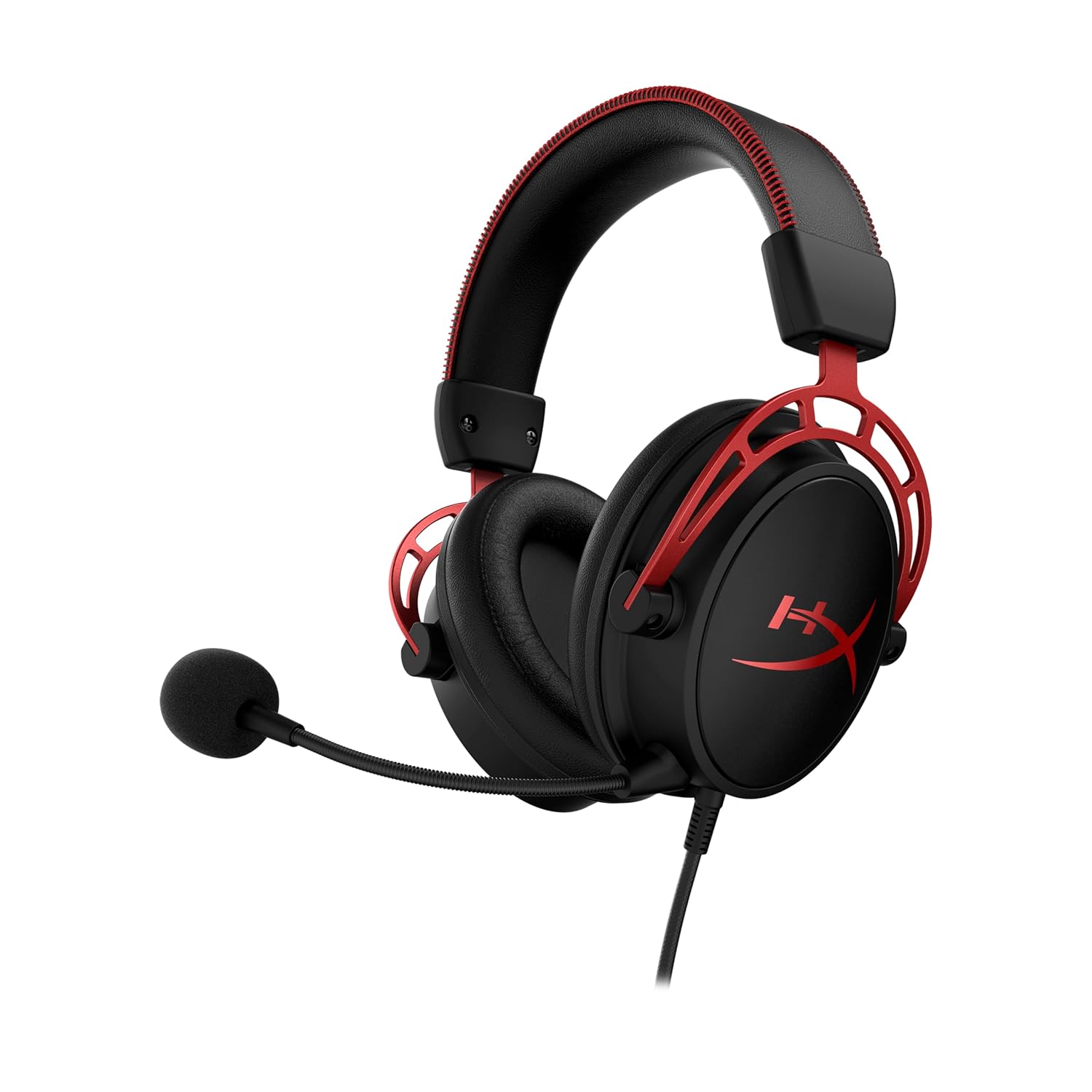
HyperXCloud Alpha
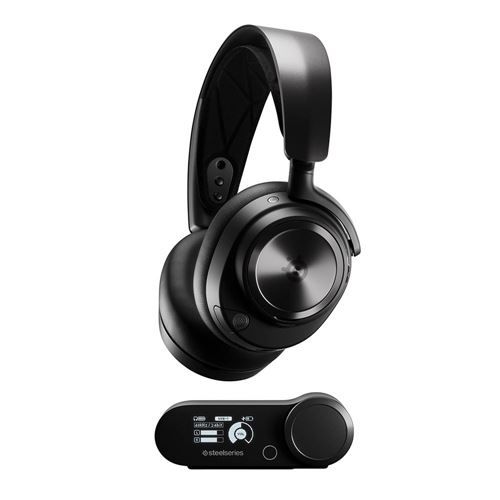
SteelSeriesArctis Nova Pro Wireless

SteelSeriesArctis Nova 5
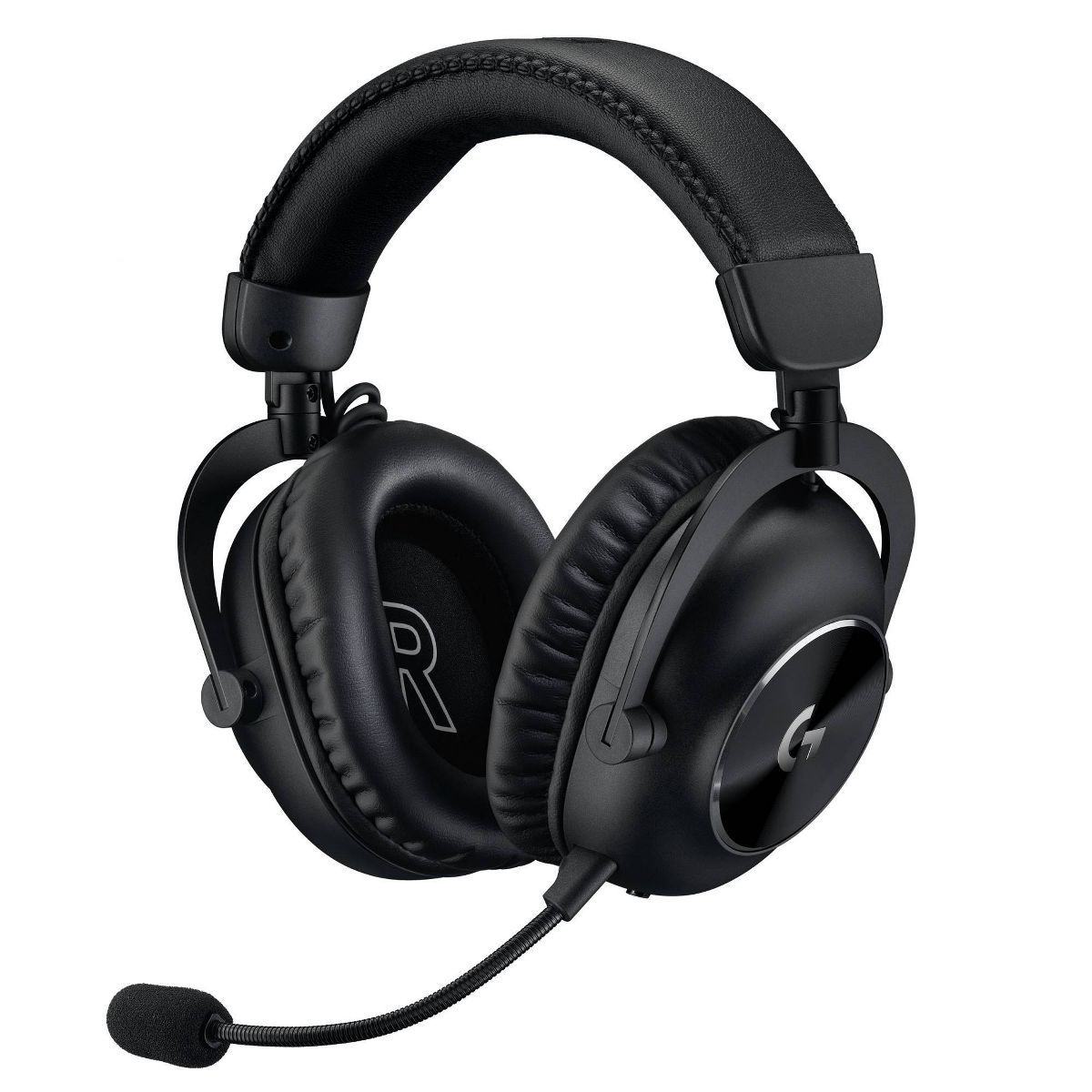
LogitechPro X 2 Lightspeed
The Hybrid Approach
Some gamers solve this dilemma by owning both types. A closed-back wireless headset for general use, portable gaming, and times when others are around, paired with a wired open-back set for serious competitive sessions in private. This dual approach maximizes the strengths of each design.
Modular systems like the Astro A40 TR offer another solution, with mod kits that convert between semi-open and closed configurations by swapping ear cushions and covers. This flexibility lets you adjust based on circumstances, though true open-back performance typically requires headsets purpose-built for that design philosophy.
The Bottom Line
Neither open-back nor closed-back designs are objectively superior—they excel in different scenarios. Closed-back headsets dominate the gaming market for good reason: they work in more situations, they’re practical for households with multiple people, and they deliver the punchy, immersive audio most casual gamers prefer.
Open-back headsets represent a specialized tool for specific use cases. They deliver superior sound quality, exceptional comfort, and competitive advantages for gamers who can accommodate their requirements. They’re the choice of audio enthusiasts, competitive players, and anyone fortunate enough to have a private gaming sanctuary.
For most gamers, closed-back remains the practical choice. But if you’ve never experienced gaming on a quality open-back headset in the right environment, you’re missing out on what stereo audio reproduction can achieve when freed from the constraints of sealed chambers. The experience is revelatory enough that many gamers restructure their spaces specifically to accommodate open-back listening.
Your environment determines the choice more than personal preference ever could. Assess your space honestly, consider who else lives with you and when you game, then choose accordingly. Both designs can deliver outstanding gaming experiences—just in fundamentally different contexts.

Richard Scott
Headset Expert & Web Developer
Web developer and lifelong gamer. Spends too much time on golf, hockey, and finding the right headset. Lives with a dog who has no opinions on audio quality.