Astro Gaming Under Logitech: How the Acquisition Shaped Console Gaming's Premier Headset Brand
How Logitech's 2017 acquisition transformed Astro from a scrappy console headset maker into a multi-platform powerhouse with cutting-edge technology.
When a big tech company acquires a beloved gaming brand, enthusiasts typically brace for the worst. The pattern is familiar: the scrappy underdog gets absorbed, loses its identity, and eventually fades into a footnote on a corporate portfolio page. Yet when Logitech announced its $85 million acquisition of Astro Gaming in July 2017, something different happened. Instead of dismantling what made Astro special, Logitech gave the console headset pioneer the resources to push boundaries while maintaining the brand identity that made it popular with competitive gamers.
Seven years later, that acquisition stands as one of the more successful partnerships in gaming peripheral history. Logitech gained instant credibility in the console market where it had virtually no presence, while Astro obtained access to cutting-edge wireless technology, global distribution networks, and R&D budgets that transformed its product lineup. The result? Headsets like the A50 X that simply wouldn’t exist without the combined expertise of both companies.
Astro's Modern Flagships
Comparing the top-tier Astro lineup with Logitech's elite PC headset
Key Specifications
| Tech Specs | Astro A50 X LIGHTSPEED | Astro A50 Gen 5 |
|---|---|---|
| Price | $379.99 | $299.99 |
| Ideal Fit | Medium-Large Head | Medium-Large Head |
| Battery Life | 24h | 24h |
| Connection | Wireless | Wireless |
| Microphone Type | Fixed Boom Mic | Fixed Boom Mic |
| Driver Type | Graphene | Graphene |
| Driver Size | 40mm | 40mm |
| Weight | 363g | 363g |
| NC Mic | ||
| ANC Features | ||
| Mic Monitoring |
Community Consensus
Calculated from thousands of user reviews, Reddit sentiment, and professional scores to determine the "real world" tier of each feature.
| Quality Tier | Astro A50 X LIGHTSPEED | Astro A50 Gen 5 |
|---|---|---|
| Audio | S Tier | S Tier |
| Comfort | A Tier | A Tier |
| Build Quality | B Tier | B Tier |
| Microphone | S Tier | S Tier |
| Wireless | S Tier | A Tier |
The Pre-Logitech Era
Astro Gaming didn’t start as a headset company. Founded in 2006 by Brett Lovelady and Jordan Reiss in San Francisco, the brand emerged from Astro Studios, the industrial design firm that partnered with Microsoft on the Xbox 360 console and controller. That Xbox connection proved formative. Lovelady and Reiss understood console gaming culture in a way that PC peripheral manufacturers didn’t, and they saw an opportunity in the premium audio space.
The first Astro headsets launched in early 2008, and the A40 quickly became the gold standard for competitive console gaming. Unlike typical gaming headsets that prioritized flashy aesthetics over functionality, the A40 focused on modular design and professional-grade audio. Pro gamers and Major League Gaming events adopted it as their headset of choice, cementing Astro’s reputation as the serious option for competitive play.
The A50 wireless variant followed, offering the same audio quality without cables. For console gamers tired of being tethered to their entertainment centers, this was transformative. By 2010, Astro had grown to 23 employees and raised over $5 million in funding. The brand had carved out a distinct niche, but growth brought challenges.
In 2011, headphone manufacturer Skullcandy acquired Astro for $10.8 million. The partnership brought resources but also constraints. Skullcandy was a lifestyle audio brand focused on music and casual listening, while Astro needed investment in gaming-specific technology. When private equity firm Mill Road Capital purchased Skullcandy and its subsidiaries in 2016, Astro’s future became uncertain again. The brand needed a partner that understood competitive gaming and had the resources to fund serious R&D.
The Strategic Marriage
When Logitech announced the Astro acquisition in July 2017, the gaming peripheral landscape was clearly segmented. Logitech G dominated PC gaming with industry-leading keyboards, mice, and headsets, but had virtually zero presence in the console market. Meanwhile, console gaming headsets were dominated by Turtle Beach, Astro, and a handful of others who understood that console gamers had different priorities than PC enthusiasts.
The acquisition made immediate strategic sense. Logitech needed console credibility and Astro offered exactly that, with an established reputation among pro gamers and a product line designed specifically for PlayStation and Xbox ecosystems. For Astro, joining Logitech meant access to LIGHTSPEED wireless technology, advanced audio driver research, a global supply chain, and retail partnerships that could put their headsets in stores worldwide.
Ujesh Desai, Logitech’s vice president and general manager of gaming, emphasized that Astro would maintain its brand identity and continue focusing on console markets while Logitech G concentrated on PC. This wasn’t a typical absorption where the acquired brand gets rebranded and folded into existing product lines. The companies would operate somewhat independently while sharing technology and resources.
The deal closed in August 2017 for $85 million in cash. Logitech projected it would add approximately two points of growth to their fiscal 2018 revenue, though they expected slight dilution to profits in the first year due to integration costs and international expansion investments. Wall Street was cautiously optimistic, but gamers remained skeptical. Would Astro headsets start feeling like rebranded Logitech products?
Technology Transfer and Innovation
The real proof of the acquisition’s success came in the technology that started appearing in Astro products. Logitech didn’t just bring money and distribution networks; they brought decades of peripheral research that Astro could leverage.
LIGHTSPEED wireless technology became the most obvious example. Logitech had spent years developing ultra-low latency wireless connectivity for their gaming mice and keyboards, achieving performance that matched or exceeded wired connections. Astro had competent 2.4GHz wireless in their pre-acquisition A50 models, but LIGHTSPEED represented a significant step forward in reliability, range, and battery efficiency. The A50 X launched in 2024 with LIGHTSPEED integration, offering wireless performance that previous Astro products couldn’t match.
Audio driver technology saw similar improvements. Logitech’s PRO-G Graphene drivers, developed through extensive acoustic research, started appearing in Astro headsets. These 40mm drivers use graphene-infused diaphragms for improved response time and clarity. While the original A40 and A50 had solid audio, the graphene drivers in newer models deliver noticeably tighter bass response and clearer high-frequency detail. Astro brought gaming audio expertise; Logitech brought materials science and acoustic engineering.
Perhaps the most significant innovation came with PLAYSYNC AUDIO, the technology that allows seamless switching between multiple gaming platforms. This required both companies’ strengths: Astro’s understanding of console gaming workflows and Logitech’s experience building complex wireless ecosystems. The result lets gamers connect their PlayStation 5, Xbox Series X, and PC simultaneously, switching between them with a single button press. For streamers and multi-platform gamers, this eliminated the need for multiple headsets or constant cable swapping.
The G HUB software platform integrated Astro products into Logitech’s unified ecosystem. Previously, Astro used its own Command Center software for EQ customization and firmware updates. Post-acquisition, Astro headsets gained access to G HUB’s more robust features, including game-specific audio profiles, community presets, and synchronized lighting with other Logitech peripherals. The integration gave Astro customers access to a more mature software platform while maintaining Astro-specific tuning options.
Product Evolution After the Acquisition
Comparing Astro’s pre-acquisition lineup to their current offerings reveals how Logitech’s resources accelerated innovation. Before 2017, Astro primarily offered variations of the A40 and A50, with occasional limited editions and minor updates. The pace of development was constrained by budget and engineering resources. Post-acquisition, the product cadence shifted dramatically.
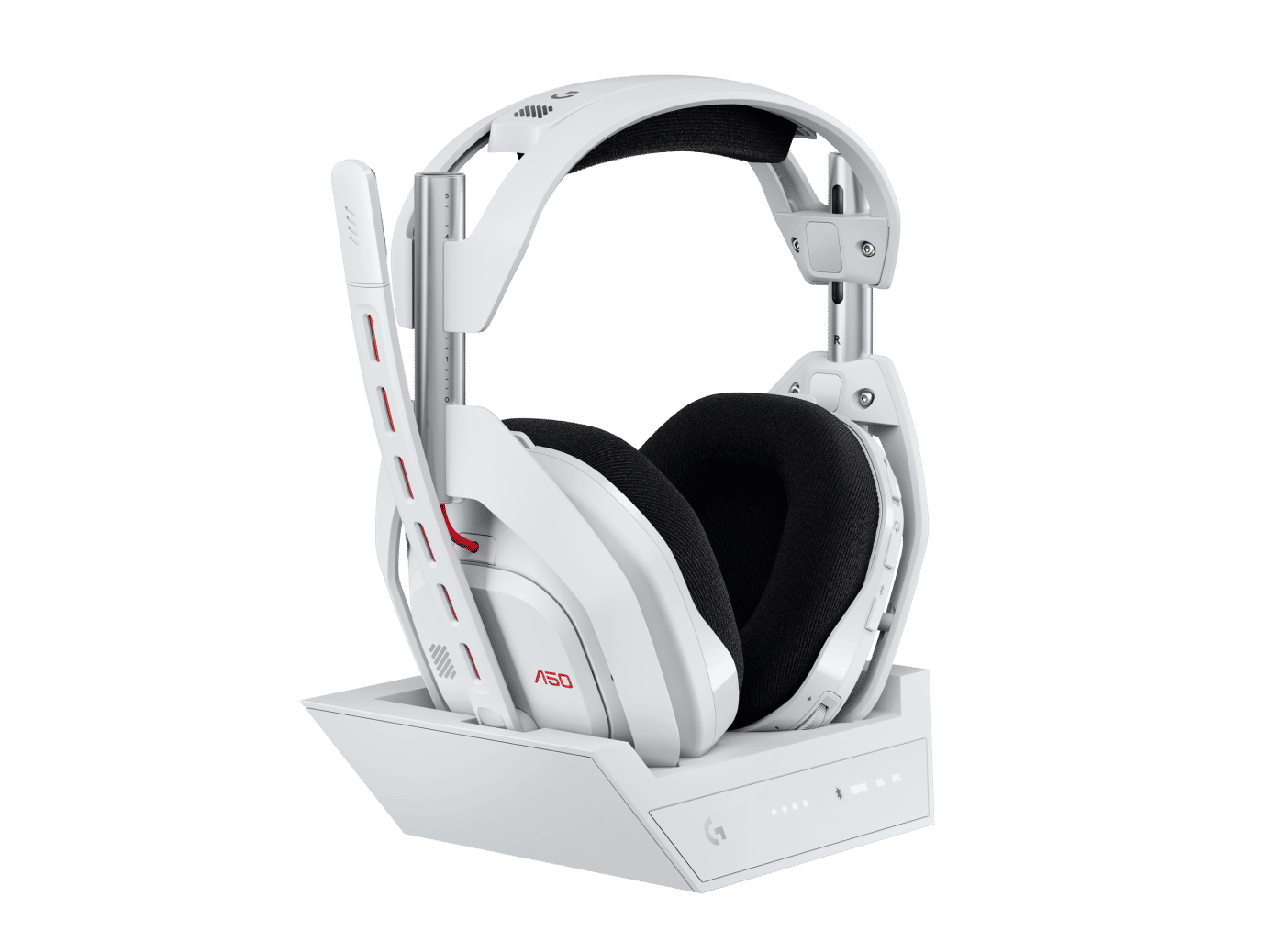
The A50 Gen 4, released in 2019, represented the first major redesign under Logitech ownership. It maintained the iconic Astro aesthetic but incorporated improved wireless technology, better battery life, and the magnetic charging dock that became a signature feature. The headset looked familiar but performed noticeably better than its predecessor.
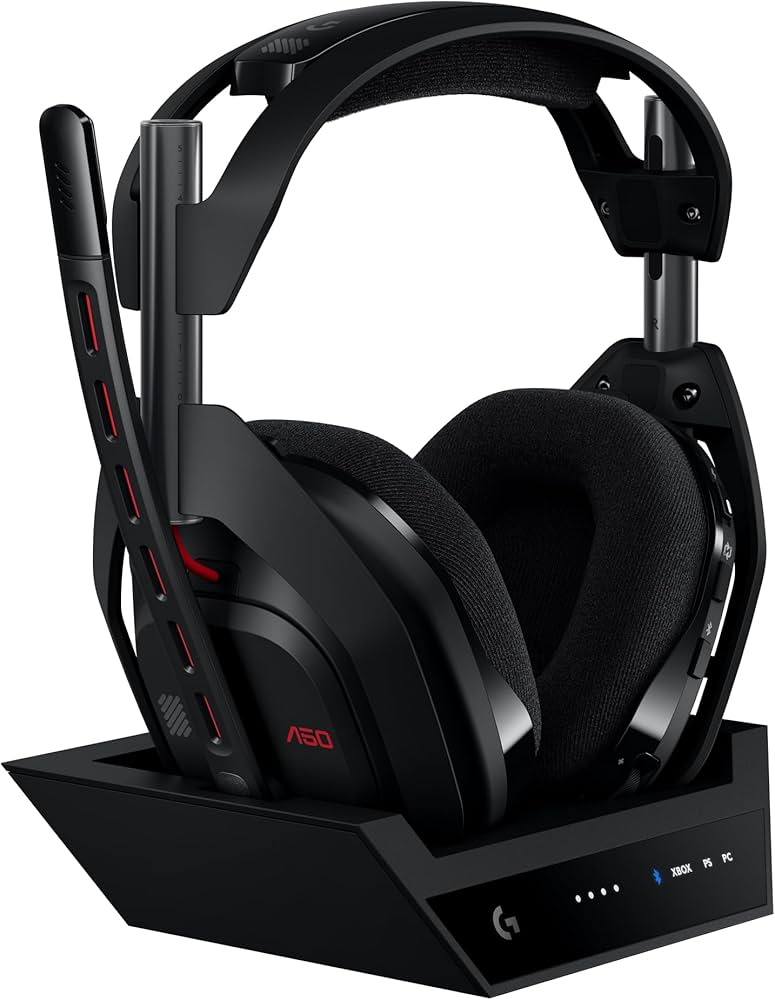
The A50 Gen 5 arrived in 2024 with PLAYSYNC AUDIO as its headline feature. The base station could connect to three platforms via USB-C, allowing instant switching without changing cables or cycling through connection modes. Combined with PRO-G Graphene drivers and a 48 kHz broadcast-quality microphone, the Gen 5 offered capabilities that would have been difficult for independent Astro to develop. At $299, it positioned itself as a premium but not absurd option for serious multi-platform gamers.
Then came the A50 X, the flagship that truly showcased what Logitech’s resources enabled. Released at $379, the A50 X features an HDMI 2.1 base station that handles video passthrough for both PlayStation and Xbox consoles. This means you can route your console video through the base station, and the PLAYSYNC button switches both audio and video output simultaneously. The engineering required for this goes well beyond what a smaller company could reasonably attempt. The base station needs dedicated processing for each platform’s audio protocols, HDMI 2.1 bandwidth for 4K/120Hz video, and the wireless architecture to deliver all that audio with imperceptible latency.
The A20 X, announced in 2025, brought multi-platform functionality to a more accessible $149 price point. While it lacks the base station and some premium features of the A50 series, it demonstrates Logitech’s commitment to expanding Astro’s reach beyond just the high end. The A30 Wireless offers hybrid wired/wireless operation, appealing to gamers who want flexibility between connection types.
Compare this to Astro’s pre-2017 lineup. The company would release a new A40 or A50 variant every couple years, often with minor updates. Limited edition colorways and special editions drove most of the news cycle. The pace and scope of innovation simply couldn’t match what we’ve seen post-acquisition. Logitech’s engineering teams, manufacturing partnerships, and R&D budget enabled Astro to attempt products they previously couldn’t have considered.
The 2022 Restructuring
The partnership hasn’t been entirely smooth. In October 2022, rumors circulated that Astro Gaming was being shut down after several employees, including the esports manager, posted about layoffs. The speculation intensified because these cuts came during a broader restructuring at Logitech as the company adjusted to post-pandemic market realities.
Logitech quickly clarified that reports of Astro’s death were exaggerated. A company spokesperson stated that “ASTRO is not dead” and that “ASTRO products remain an important part of the Logitech G portfolio.” However, they acknowledged that “a number of employee roles were affected in a recent adjustment of our organization.” Sources suggested that a majority of Astro’s staff was cut, particularly those in esports marketing and brand-specific roles.
What actually happened was integration, not elimination. After five years of operating somewhat independently, Logitech consolidated Astro more deeply into the Logitech G structure. Separate marketing teams and esports sponsorships were folded into shared Logitech G programs. Some viewed this as Astro losing its soul, while others saw it as natural evolution after the integration period.
The restructuring revealed a tension inherent in these acquisitions. Maintaining a distinct brand identity costs money through separate marketing, dedicated staff, and brand-specific programs. At some point, the parent company needs to realize efficiencies from the acquisition beyond just adding products to the portfolio. Logitech chose to maintain the Astro brand name and design language but integrate operations more thoroughly.
For consumers, the impact has been minimal. Astro products still carry distinct branding, maintain their premium positioning, and continue the design aesthetic that made them recognizable. What changed was mostly invisible to end users: shared marketing departments, consolidated customer service, and integrated R&D teams. The A50 X arrived two years after the restructuring, suggesting that product development continued unimpeded.
The Current Landscape
As of 2026, Astro occupies a unique position in the gaming headset market. The brand maintains separate identity and premium positioning under the Logitech G umbrella, similar to how luxury car manufacturers operate distinct brands under larger corporate structures. You won’t see Logitech branding prominently displayed on Astro headsets, though small “a Logitech G company” text appears on packaging.
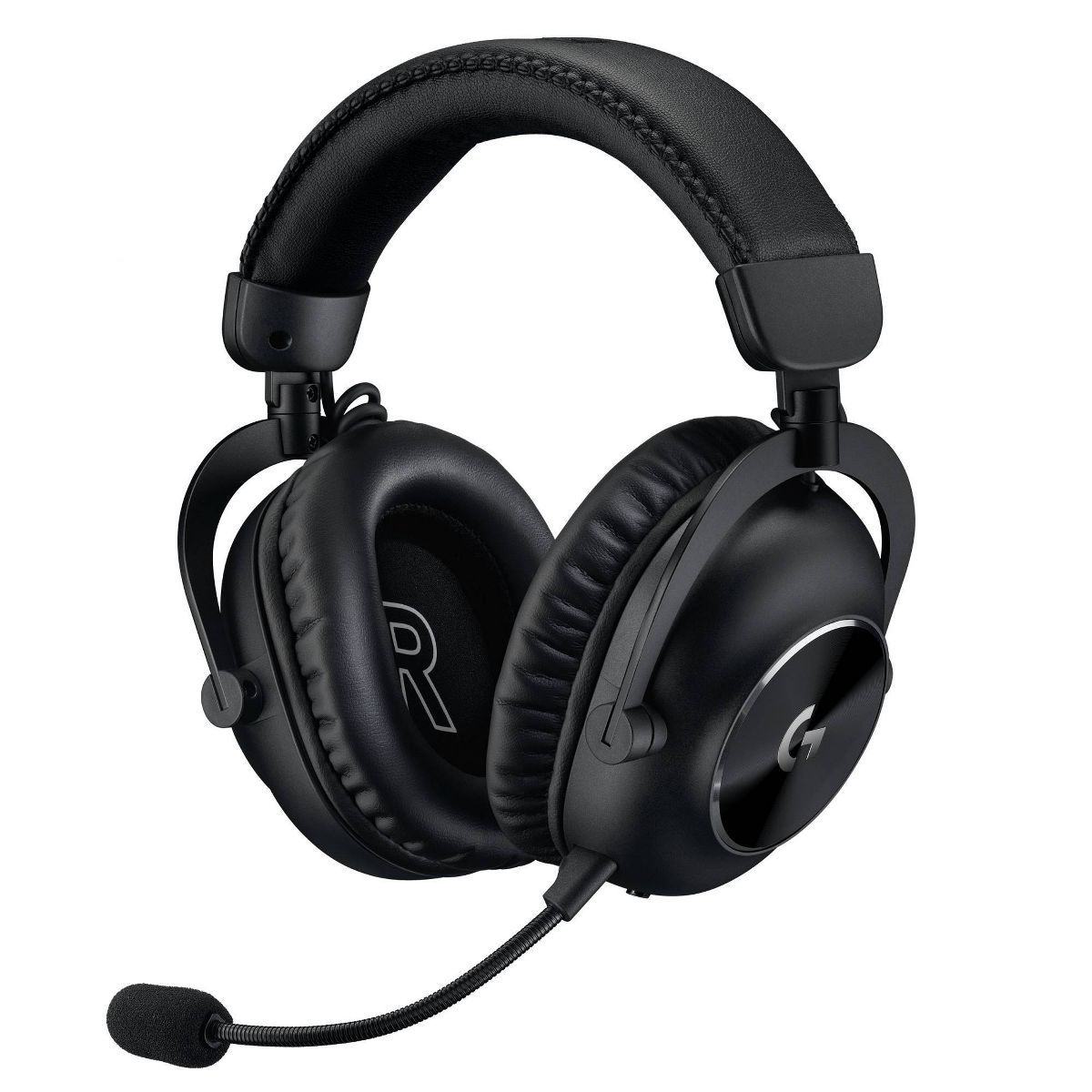
Price positioning reflects this strategy. Astro headsets range from $149 for the A20 X to $379 for the A50 X, firmly in premium territory. Meanwhile, Logitech G covers a broader spectrum, from the $59 G321 LIGHTSPEED for budget-conscious gamers to the $299 G Pro X 2 LIGHTSPEED for competitive PC players. The brands rarely compete directly because they target different priorities: Astro focuses on multi-platform console gaming with premium features, while Logitech G emphasizes PC gaming and value propositions.
The competitive landscape has intensified since 2017. SteelSeries released the Arctis Nova Pro Wireless with its innovative dual battery system and GameDAC controller, positioning it as a direct A50 competitor. Turtle Beach updated its Stealth series with multi-platform wireless. Sony and Microsoft pushed their first-party PlayStation and Xbox headsets with platform-specific features. Every major peripheral manufacturer now has premium wireless options targeting the same audience Astro pioneered.
What sets current Astro headsets apart is universal platform compatibility without compromise. The A50 X truly works with PlayStation, Xbox, and PC simultaneously, with full feature support on each platform. Many competitors require choosing between PlayStation or Xbox versions, or offer degraded functionality on secondary platforms. This stems directly from the Logitech partnership; the engineering resources required to support multiple platform protocols simultaneously isn’t trivial, and smaller manufacturers struggle to justify that R&D investment.
The McLaren Racing Edition A50 X, announced in 2025, demonstrates Logitech pushing Astro into premium lifestyle territory. This isn’t just a color variant but a collaboration with a prestigious motorsports brand, complete with unique materials and finishes. It’s exactly the type of partnership that Logitech’s corporate relationships enable but that independent Astro would have struggled to arrange.
The Alternative Timeline
It’s worth considering what would have happened without the Logitech acquisition. Astro’s trajectory under Mill Road Capital was uncertain. Private equity firms typically either flip companies for profit or harvest value before moving on. Neither scenario suggested long-term investment in R&D and product development.
Independent Astro would likely have continued iterating on the A40 and A50 but at a slower pace. Wireless technology improvements would have lagged behind competitors with larger R&D budgets. Multi-platform support would have remained a dream due to the engineering complexity. The company might have survived as a niche player in competitive console gaming, but growth would have stalled.
Alternative acquirers would have changed Astro’s direction entirely. If Turtle Beach had purchased Astro, the brands likely would have merged into a single console gaming powerhouse, but Astro’s distinct identity probably wouldn’t have survived. Razer might have folded Astro into their RGB-heavy gaming aesthetic, fundamentally changing the product philosophy. Microsoft or Sony could have made Astro a platform-exclusive brand, eliminating the multi-platform approach entirely.
The Logitech pairing worked specifically because of complementary strengths with minimal overlap. Logitech needed console market presence but didn’t have console gaming DNA. Astro needed technology and resources but didn’t want to abandon its identity. Neither company competed in the other’s primary market, eliminating the pressure to consolidate for efficiency. This allowed Astro to maintain brand independence longer than most acquired companies manage.
Why This Acquisition Succeeded
Most gaming peripheral acquisitions follow a predictable pattern: initial excitement, gradual integration, eventual absorption into the parent brand. Corsair’s acquisition of SCUF maintains some brand distinction but SCUF controllers clearly exist within Corsair’s ecosystem. Razer’s numerous acquisitions typically vanish into the broader Razer brand. Logitech itself acquired Saitek in 2016, and while the brand technically still exists for some products, most became Logitech-branded flight simulators.
The Astro-Logitech partnership succeeded because both companies resisted the urge to “fix” what wasn’t broken. Logitech recognized that Astro’s console gaming credibility came from its distinct identity, not just its product designs. Forcing Astro headsets into standard Logitech G packaging and branding would have eliminated much of the acquisition’s value.
For consumers, the benefits are tangible. Astro customers get access to Logitech’s wireless technology, audio research, and software platforms without losing the design language and console focus they value. Logitech customers now have options when they need multi-platform wireless headsets. The competition improved as well; other manufacturers couldn’t ignore Astro’s innovations and had to respond with better products.
The model here offers lessons for the peripheral industry’s ongoing consolidation. Maintaining acquired brands costs money but preserves the differentiation that made them acquisition targets in the first place. Shared technology and back-end integration can happen without forcing products into identical molds. Sometimes the best thing a parent company can do is provide resources and get out of the way.
Looking Forward
The products Logitech has released under the Astro brand in 2025 and 2026 suggest continued investment and innovation. The McLaren Racing collaboration expands Astro beyond gaming into lifestyle premium products. The A20 X brings multi-platform technology to more accessible price points. Development timelines indicate new products planned beyond the current lineup.
Logitech’s broader gaming strategy increasingly treats Astro as a crucial component rather than an isolated acquisition. G HUB integration means Astro products work seamlessly with Logitech mice, keyboards, and other peripherals. Marketing increasingly positions them as complementary brands under the Logitech G umbrella rather than competitors.
The risk is that Astro becomes too integrated and loses the distinct identity that made it valuable. The 2022 restructuring showed Logitech is willing to consolidate when efficiency demands it. At some point, maintaining separate branding and product lines may not justify the costs, especially if market conditions tighten. For now, though, Astro appears safe as a premium sub-brand with distinct positioning.
Seven years after the acquisition, the verdict is clear. Logitech transformed Astro from a niche console gaming brand into a multi-platform technology leader while maintaining the identity that made Astro special. Astro brought Logitech console credibility and a premium customer base. Together, they’re producing headsets that neither could have created independently. In an industry where acquisitions typically mean the end of beloved brands, that counts as a genuine success story.
Featured Products
Products mentioned in this article
Astro GamingAstro A50 Gen 5
Astro GamingAstro A50 X LIGHTSPEED
LogitechPro X 2 Lightspeed

Richard Scott
Headset Expert & Web Developer
Web developer and lifelong gamer. Spends too much time on golf, hockey, and finding the right headset. Lives with a dog who has no opinions on audio quality.