Best Headsets for Rainbow Six Siege in 2026
Audio is a weapon in Siege. These are the headsets the top streamers and players are actually using.
Siege punishes bad audio. A Bandit battery you didn’t hear, footsteps above you that sounded like they were beside you — wrong headset and you’re making reads on bad information. The difference between a good and bad audio setup in this game is measurable in rounds, not just comfort. (Once you’ve picked your hardware, make sure to read our Competitive FPS EQ Guide and our latest Arc Raiders Audio Guide).
These are the headsets the top Siege streamers and players are running in 2026.
What the Pros Are Using
Before the picks — a pattern worth noting. Across the Siege scene, the HyperX Cloud III shows up repeatedly at the competitive level. Spoit (Shopify Rebellion) runs the wired version. Skittlz runs the wireless version. It’s a 53mm dynamic driver headset that pros have trusted for years. Not the flashiest option. Just reliable positional audio at a price that doesn’t require justification.
On the streaming side, the spread is wider. Jynxzi games on the Beyerdynamic MMX 300. Stompn (G2 Esports) uses the Logitech G PRO X 2 Lightspeed. Pengu runs the original Logitech G PRO X. Ricci uses the Astro A40 TR. KingGeorge is on the Corsair Virtuoso RGB Wireless.
No single brand dominates. The common thread is closed-back, over-ear designs with strong positional audio — which is exactly what Siege demands.
The Picks
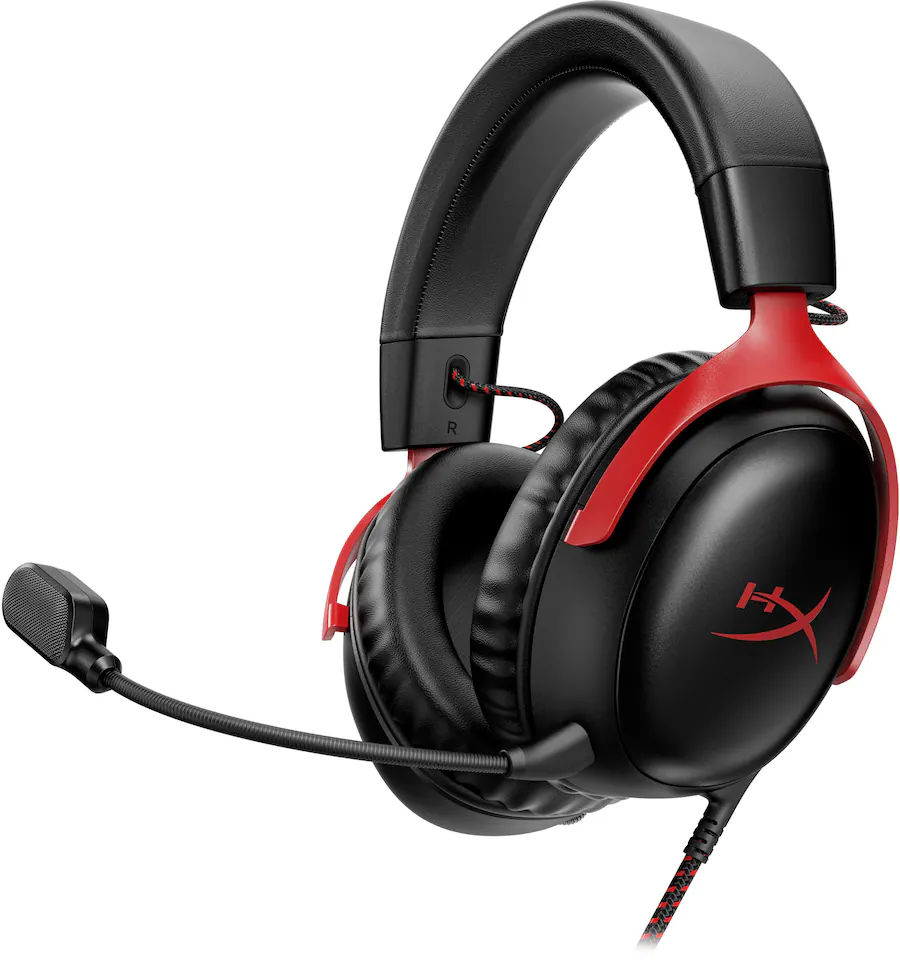
HyperX Cloud III Lineup — Best for Competitive Play
Used by: Spoit (Wired), Skittlz (Wireless)

As an Amazon Associate, we earn from qualifying purchases. This helps support our detailed gear research and guide creation at no extra cost to you.
The Cloud III runs angled 53mm dynamic drivers with a frequency response of 15Hz–25kHz. Virtual surround is available via USB dongle on PC, though most competitive players run stereo — surround processing adds latency and smears directional cues in Siege’s close-quarters environment.
The aluminum frame and memory foam earcups hold up under daily use. The upgraded 10mm detachable noise-cancelling mic is solid for comms. Whether you go for the wired version or the wireless version, it’s the headset that pro players keep coming back to without needing a reason to upgrade.
Who it’s for: Competitive players who want a proven, no-nonsense setup without spending flagship money.
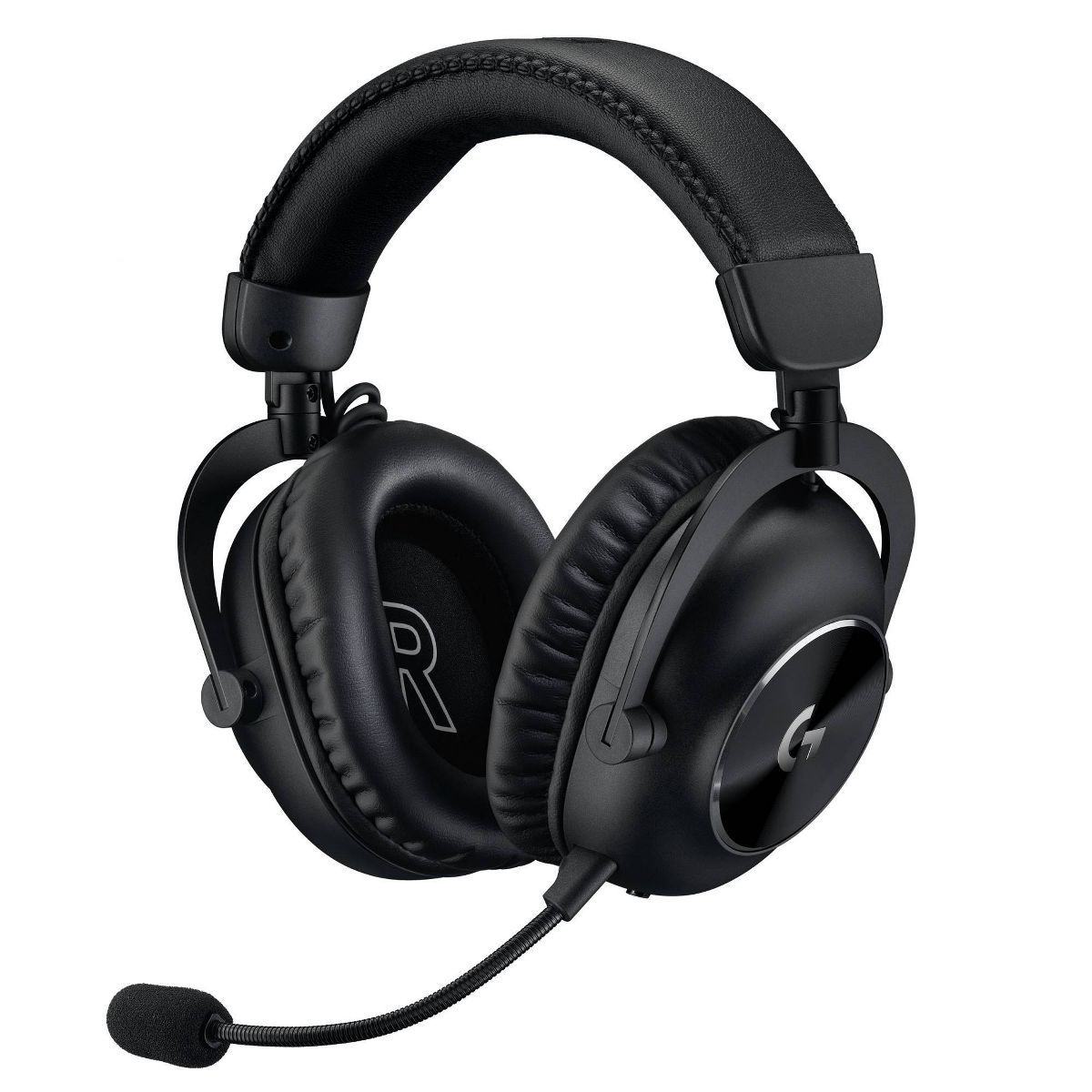
Logitech G PRO X 2 Lightspeed — Best Wireless Option
Used by: Stompn (G2 Esports)
As an Amazon Associate, we earn from qualifying purchases. This helps support our detailed gear research and guide creation at no extra cost to you.
The PRO X 2 runs 50mm GRAPHENE drivers — a step up from the standard dynamic drivers in the original PRO X. Frequency response is 20Hz–20kHz. The 2.4GHz LIGHTSPEED connection runs at sub-1ms latency, which makes it viable for competitive play where Bluetooth wouldn’t be.
Battery life is 50 hours. At 345g it’s heavier than the Cloud III, but the leatherette and velour ear pad options give you flexibility based on session length. Blue VO!CE mic tech puts the microphone quality above most in this price range. At $249, it’s the most expensive headset in the Siege pro scene represented here — but Stompn is on it for a reason.
Who it’s for: PC players who want wireless without sacrificing competitive-grade latency.
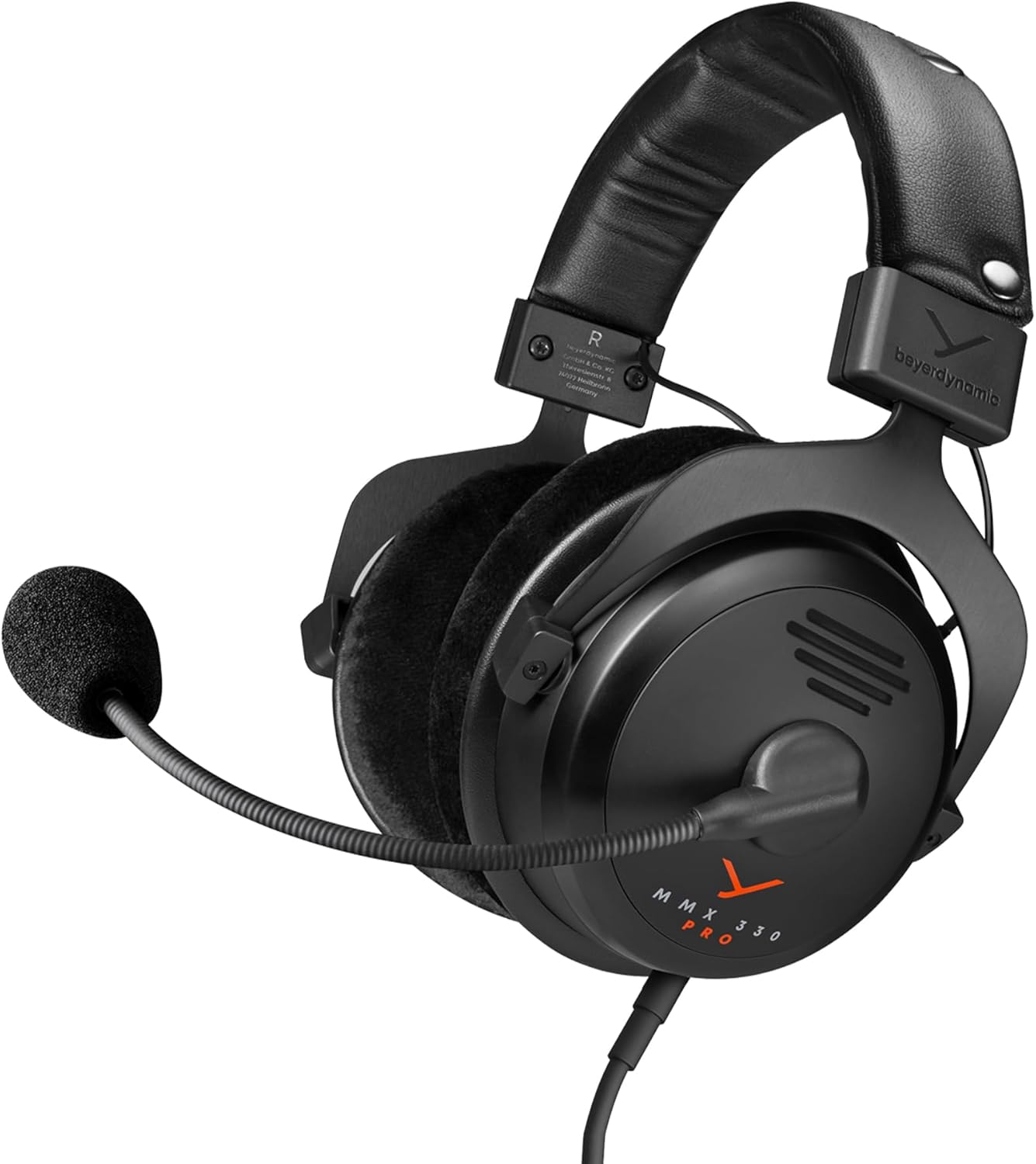
Beyerdynamic MMX 300 — Best for Streamers
Used by: Jynxzi
As an Amazon Associate, we earn from qualifying purchases. This helps support our detailed gear research and guide creation at no extra cost to you.
The MMX 300 is built on Beyerdynamic’s DT 770 Pro chassis — a studio monitoring headphone with a gaming mic attached. 250 ohm impedance means it needs a proper DAC/amp to hit its potential; plugging straight into a controller or onboard audio leaves performance on the table. Frequency response is 5Hz–35kHz.
The tradeoff is audio quality that most gaming headsets can’t touch. Jynxzi runs this on console with a dedicated audio interface, which is the correct way to use it. The closed-back design gives Siege players the isolation they need. At around $330, it’s not a casual purchase — but for someone streaming Siege 8 hours a day, the audio fidelity justifies the setup cost.
Who it’s for: Streamers or content creators willing to pair it with a DAC/amp. Not a plug-and-play console recommendation.
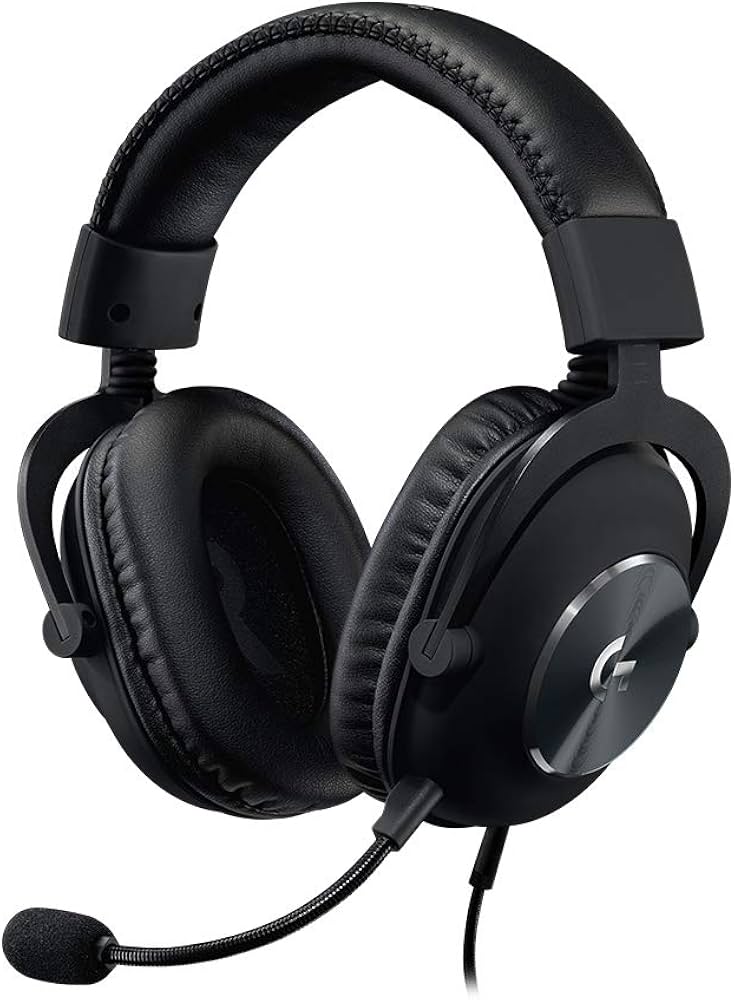
Logitech G PRO X — Best Budget Pro Option
Used by: Pengu
As an Amazon Associate, we earn from qualifying purchases. This helps support our detailed gear research and guide creation at no extra cost to you.
The original G PRO X runs 50mm PRO-G drivers with Blue VO!CE mic technology. Frequency response 20Hz–20kHz, impedance 35 ohms. It’s wired only, which keeps latency at zero and the price around $99–129 depending on where you buy it.
Pengu ran this headset through his entire content creator run post-retirement. The sound profile is tuned for competitive gaming — controlled bass, clear high-mids where footsteps and gadget sounds live. The velour ear pads are comfortable for long sessions. No wireless, no ANC, no software gimmicks. Just a clean competitive headset.
Who it’s for: PC players who want proven pro-level audio without the PRO X 2’s price tag.
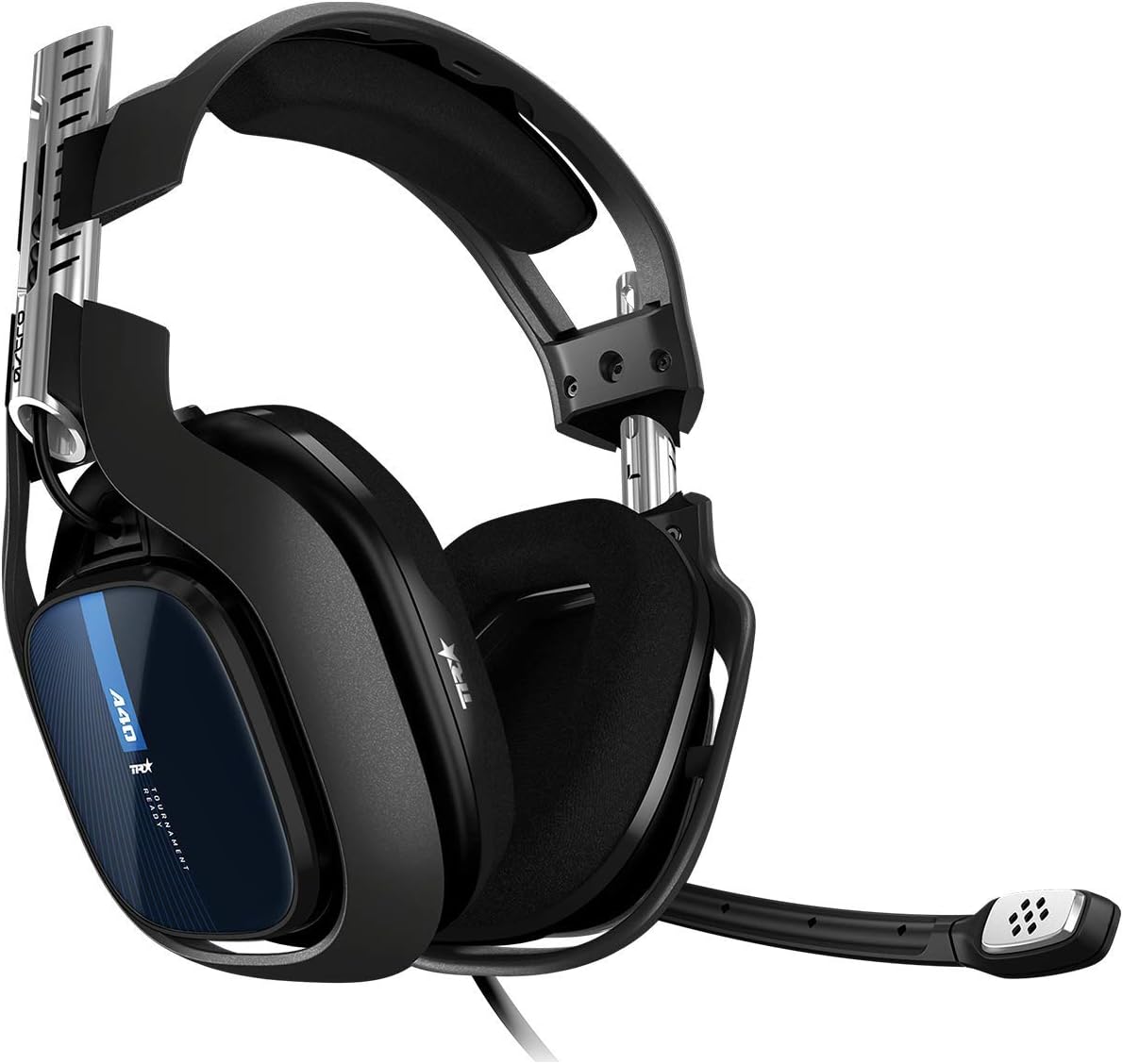
Astro A40 TR — Best for Console + PC Flexibility
Used by: Ricci
As an Amazon Associate, we earn from qualifying purchases. This helps support our detailed gear research and guide creation at no extra cost to you.
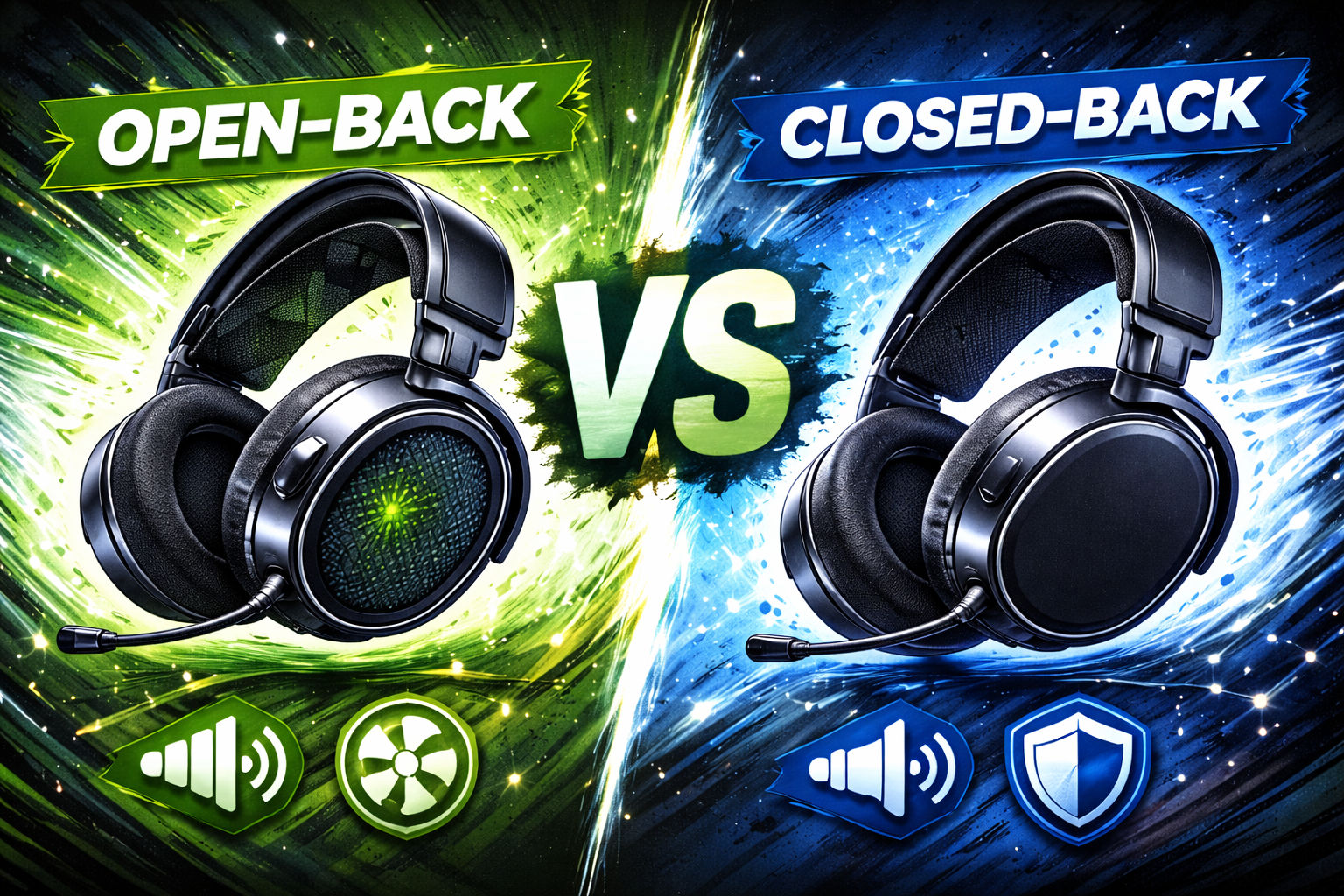
The A40 TR is a wired, open-back headset by default — swappable speaker tags let you convert it to closed-back for noise isolation. 40mm drivers, frequency response 20Hz–24kHz. The MixAmp Pro TR (sold separately) adds Dolby Audio processing and a physical game/chat mix dial, which makes it genuinely useful for streamers managing multiple audio sources.
At 349g it’s the heaviest headset on this list. The open-back default design means sound leaks in both directions — relevant if you’re streaming in a noisy environment without the closed-back conversion kit. At around $149 for the headset alone ($250 with MixAmp), it’s positioned at the premium end of the wired market.
Who it’s for: Console streamers who need hardware-level audio mixing. Less relevant for competitive-only players.
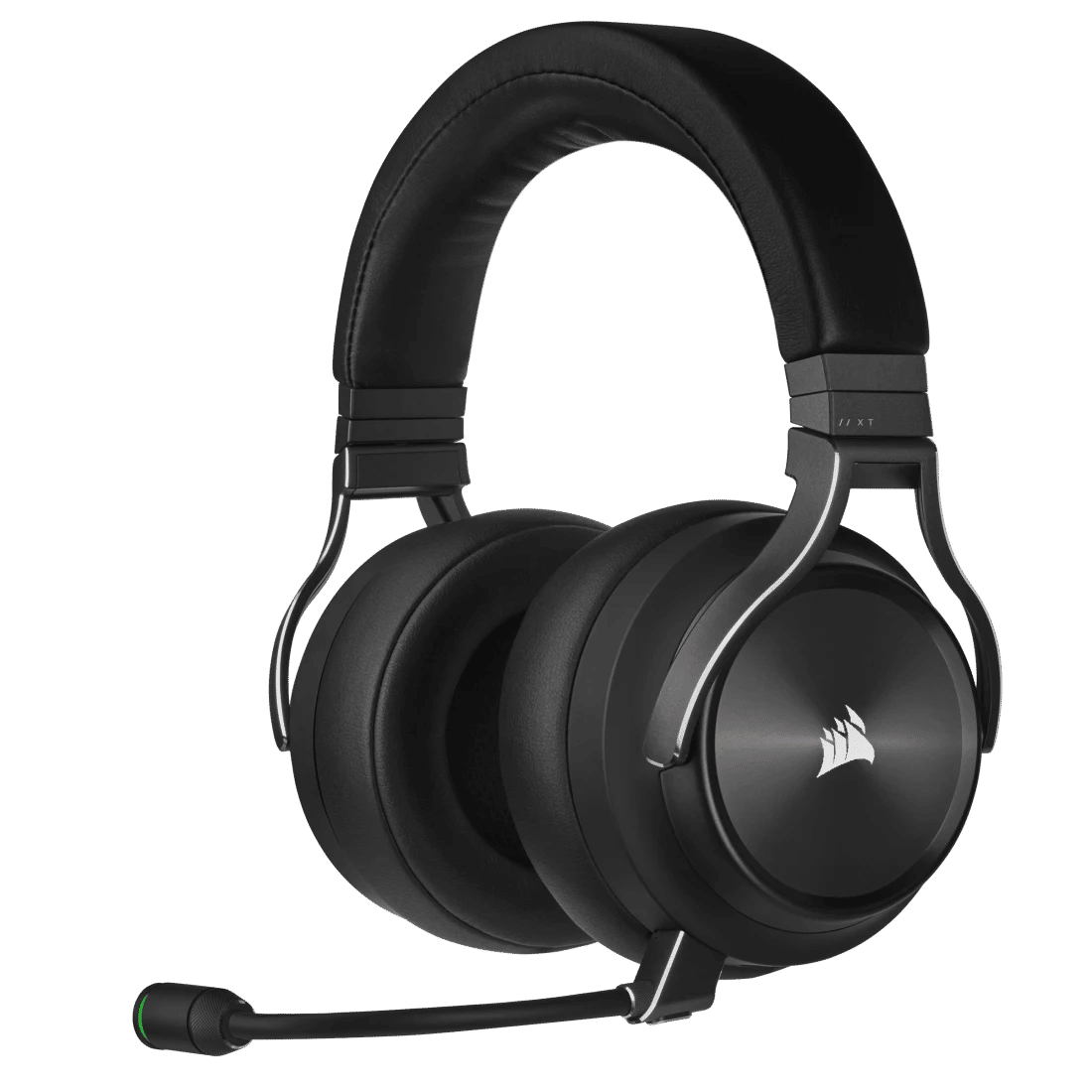
Corsair Virtuoso RGB Wireless — Best for All-Around Streamers
Used by: KingGeorge
As an Amazon Associate, we earn from qualifying purchases. This helps support our detailed gear research and guide creation at no extra cost to you.
The Virtuoso RGB Wireless runs 50mm neodymium drivers with a frequency response of 20Hz–40kHz. It connects via 2.4GHz wireless, USB, or 3.5mm — three connection options that cover PC, console, and mobile without swapping headsets. Battery life is 20 hours. At 336g, it’s in line with most premium wireless headsets.
iCUE software gives you EQ customization and 7.1 virtual surround on PC. The detachable broadcast-grade mic is a step above typical gaming mics. KingGeorge has been Corsair-sponsored for years and still runs this headset — which suggests it’s doing the job rather than just being the sponsorship pick. At $199, it sits between the Cloud III and the PRO X 2 in both price and capability.
Who it’s for: Multi-platform streamers who want wireless flexibility and don’t want to choose between gaming and content creation audio.
The Short Version
| Headset | Price | Best For | Connectivity |
|---|---|---|---|
| HyperX | $99 .99 | Competitive players (Wired) | Wired |
| HyperX | $169 .99 | Competitive players (Wireless) | Wireless |
| Logitech | $129 .99 | Budget pro option | Wired |
| Corsair | $269 .99 | Multi-platform streamers | Wireless |
| Logitech | $249 .99 | Wireless competitive | Wireless |
| Astro | $149 .99 | Console streamers | Wired |
| Beyerdynamic | $299 .99 | High-end streaming setups | Wired |
For most Siege players — PC or console — the Cloud III lineup is still the answer. It’s what the pros use, it’s affordable, and it’s proven in the game’s audio environment. Everything above it on this list adds features that matter more to streamers than to competitive players grinding ranked.
If you’re streaming and need more, the Corsair Virtuoso at $199 covers wireless, multi-source connectivity, and a strong mic without requiring an audio interface. The Beyerdynamic MMX 300 is the ceiling, but only if you’re willing to build the rest of the audio chain around it.

Richard Scott
Headset Expert & Web Developer
Web developer and lifelong gamer. Spends too much time on golf, hockey, and finding the right headset. Lives with a dog who has no opinions on audio quality.