Best Wired Gaming Headsets in 2026
Wireless gets all the attention. These eight wired headsets prove the cable still wins where it counts.
Wireless headsets dominate the conversation in 2026. That’s fine — most of them are good. But wired headsets don’t need drivers, dongles, or a charge before a session. Plug in, play. No latency questions. No battery anxiety mid-match. For a specific type of gamer, that’s the whole argument.
These eight headsets are the ones worth buying if you’ve decided wire is the way.
1. Best Overall Wired Gaming Headset Under $100
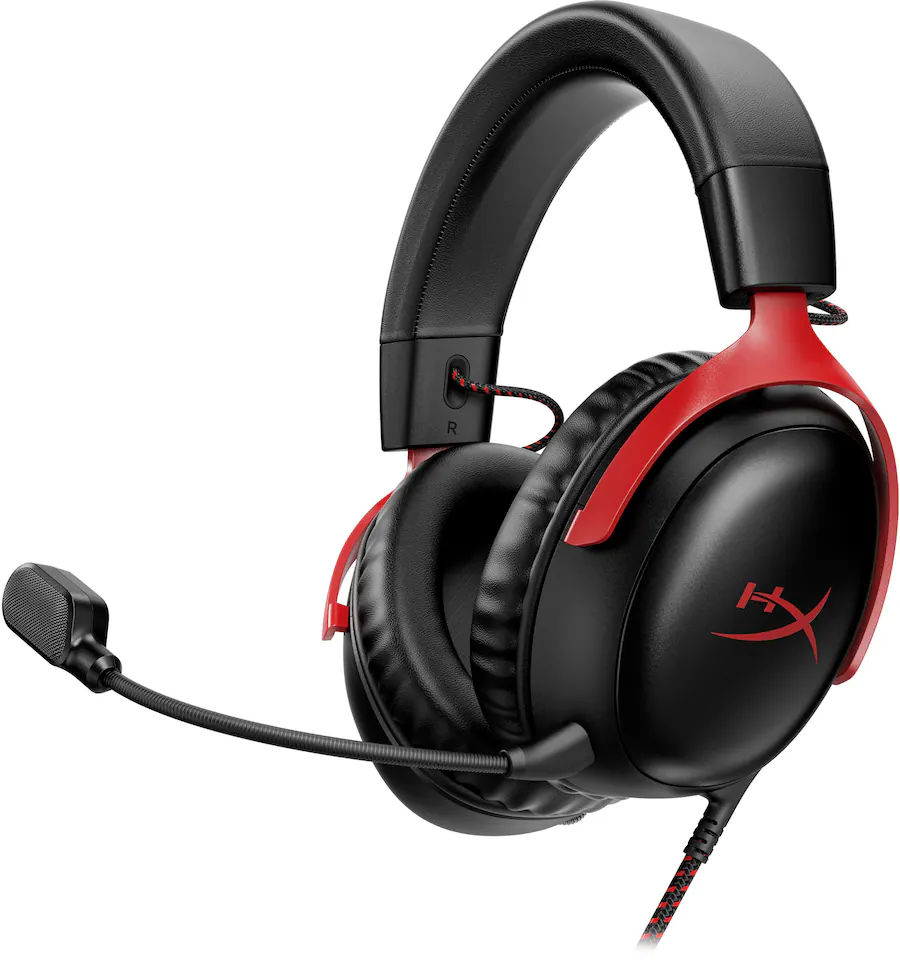
HyperX Cloud III
As an Amazon Associate, we earn from qualifying purchases. This helps support our detailed gear research and guide creation at no extra cost to you.
The Cloud III runs 53mm angled drivers, connects via USB-C, USB-A, or 3.5mm, and works on every platform without configuration. That triple-connector setup is rare at this price and practically eliminates the “does this work with my setup” question. Weight comes in at 308g with cable — manageable for full-day sessions.
The sound is tuned for gaming: controlled low-end, clear mids, and decent spatial separation. It’s not a flat studio signature, but footsteps read clearly and the soundstage holds up in competitive play. The 10mm detachable mic with LED mute indicator handles Discord and in-game comms cleanly. No noise cancellation in the hardware, but the signal itself is solid.
The aluminum frame survives bag-tossing better than most plastic competitors. It doesn’t feel like a $100 headset — it punches noticeably above its price.
Who it’s for: Anyone who wants a single wired headset that works everywhere with zero setup friction.
2. Best for Comfort
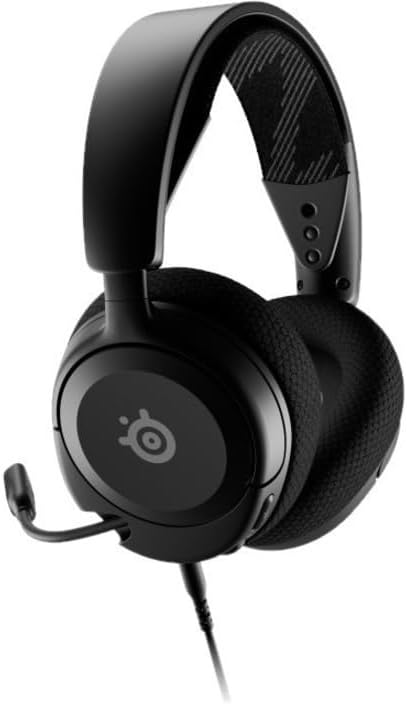
SteelSeries Arctis Nova 1
As an Amazon Associate, we earn from qualifying purchases. This helps support our detailed gear research and guide creation at no extra cost to you.
At 236g, the Nova 1 is one of the lightest gaming headsets on the market full stop — not just in the wired category. The ski-goggle suspension band distributes weight across the skull rather than pressing down on a single point, and AirWeave memory foam ear cushions add breathability that leatherette can’t match during extended sessions.
The 40mm custom Nova drivers deliver a balanced sound that leans slightly warm — adequate detail for competitive play, reasonable soundstage for a closed-back design. Pair it with SteelSeries Sonar on PC and the 10-band parametric EQ gives you more tuning depth than any headset in this price range has a right to offer. The ClearCast Gen 2 retractable mic reduces background noise by up to 25dB and disappears into the earcup when not in use.
The plastic build and 3.5mm-only connectivity are the trade-offs. Console gamers and Switch players won’t notice. PC gamers without a 3.5mm combo jack will need a splitter — it’s in the box.
Who it’s for: Long-session gamers who prioritize comfort and anyone gaming on multiple platforms via 3.5mm.
3. Best Budget Pick
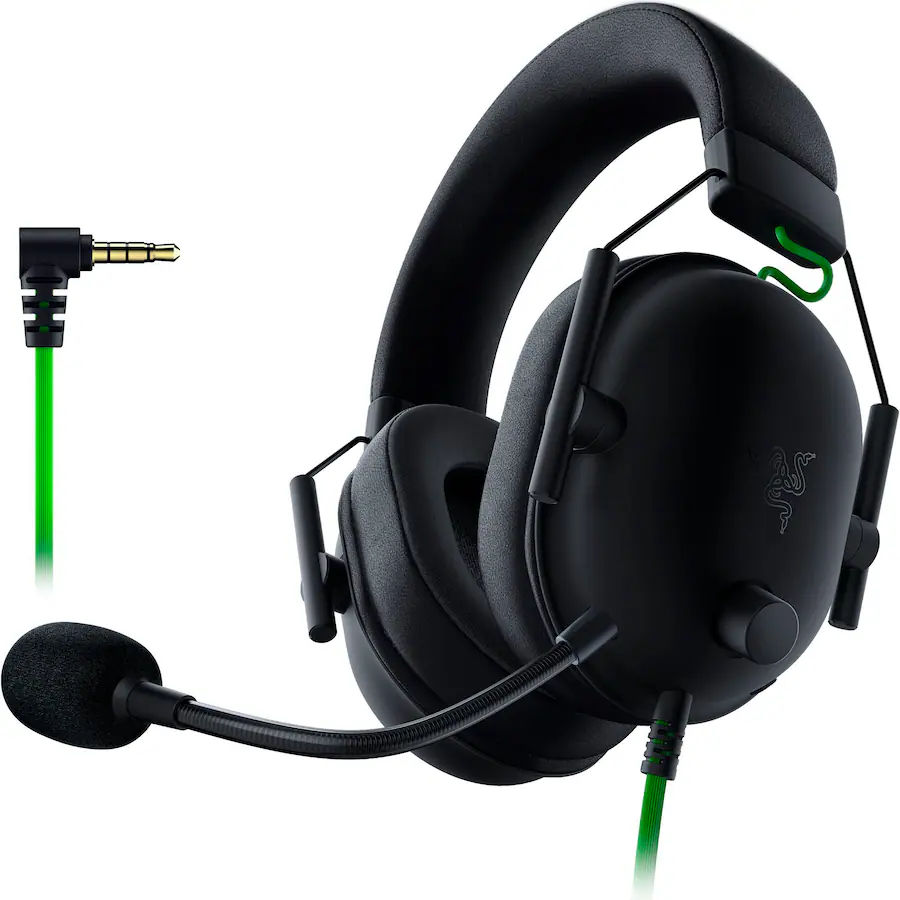
Razer BlackShark V2 X
As an Amazon Associate, we earn from qualifying purchases. This helps support our detailed gear research and guide creation at no extra cost to you.
The V2 X weighs 240g and connects via 3.5mm across PC, PS5, Xbox, and Switch. The 50mm TriForce Titanium drivers are tuned for competitive audio — tight separation between lows, mids, and highs, with enough treble presence to make footsteps cut through ambient game noise. Passive noise isolation from the closed cups is stronger than most headsets at this price.
The fixed HyperClear Cardioid mic is the compromise. It’s not detachable, which is a problem for users who want to go mic-free. The bend-to-position design is less precise than a proper boom arm. It works for comms, but don’t expect it to perform above its price point on a stream.
The fork design on the earcup yokes looks fragile, and based on community feedback, it can be. Treat this headset like what it is — an excellent budget performer, not a premium daily driver expected to take abuse.
Who it’s for: Budget-focused PC and console gamers who want competitive-grade audio without the price.
4. Best for Software & Esports
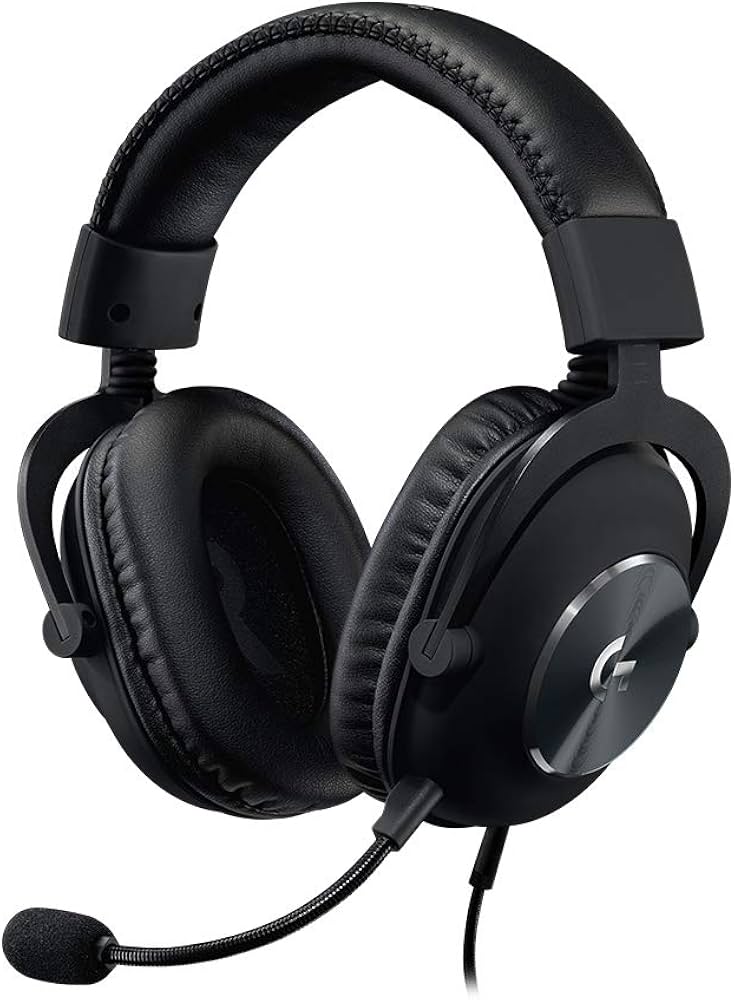
Logitech G Pro X
As an Amazon Associate, we earn from qualifying purchases. This helps support our detailed gear research and guide creation at no extra cost to you.
The G Pro X ships with an external USB DAC and Blue VO!CE microphone technology. That combination matters. Blue VO!CE gives you real-time noise reduction, compression, and limiting on the mic signal — features that belong in a streaming or broadcast setup, packaged into a gaming headset through G Hub. The 50mm PRO-G drivers run 20Hz–20kHz and support DTS Headphone:X 7.1 on PC.
The headset includes two sets of ear pads — leatherette and velour — which is useful depending on session length and environment. The aluminum fork and steel headband are genuinely durable; this thing can handle a bag without stress. Controls are on the cable rather than the earcup, which works well for in-session adjustments.
Weight is 320g without the mic attached. The USB DAC is required for advanced features; without it you lose surround sound and Blue VO!CE. On console via 3.5mm, it’s a solid headset. On PC with the full software stack, it’s legitimately a pro-tier tool.
Who it’s for: PC gamers, streamers, and esports competitors who need professional-grade mic processing in a wired package.
5. Best Open-Back Under $200
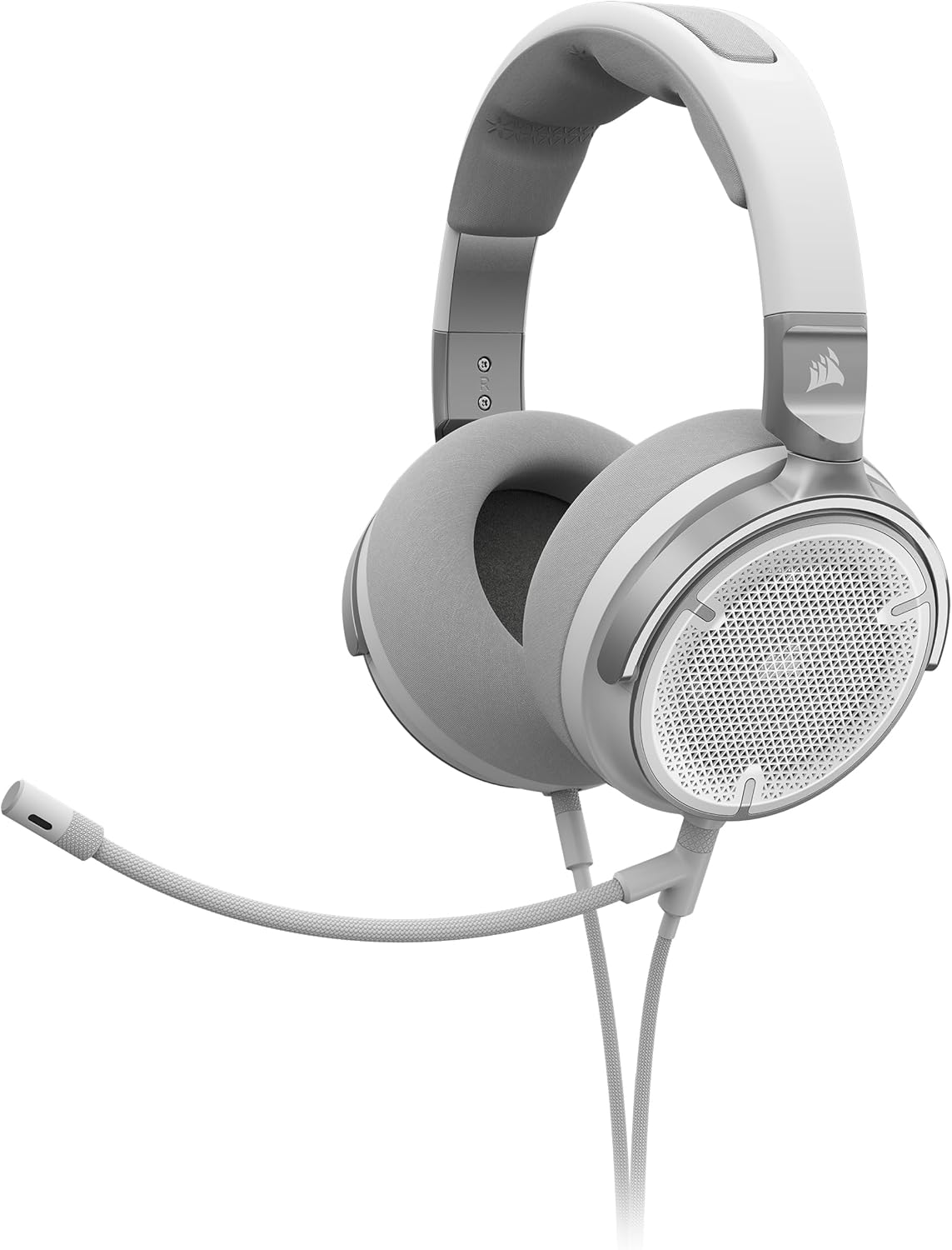
Corsair Virtuoso PRO Open-Back
As an Amazon Associate, we earn from qualifying purchases. This helps support our detailed gear research and guide creation at no extra cost to you.
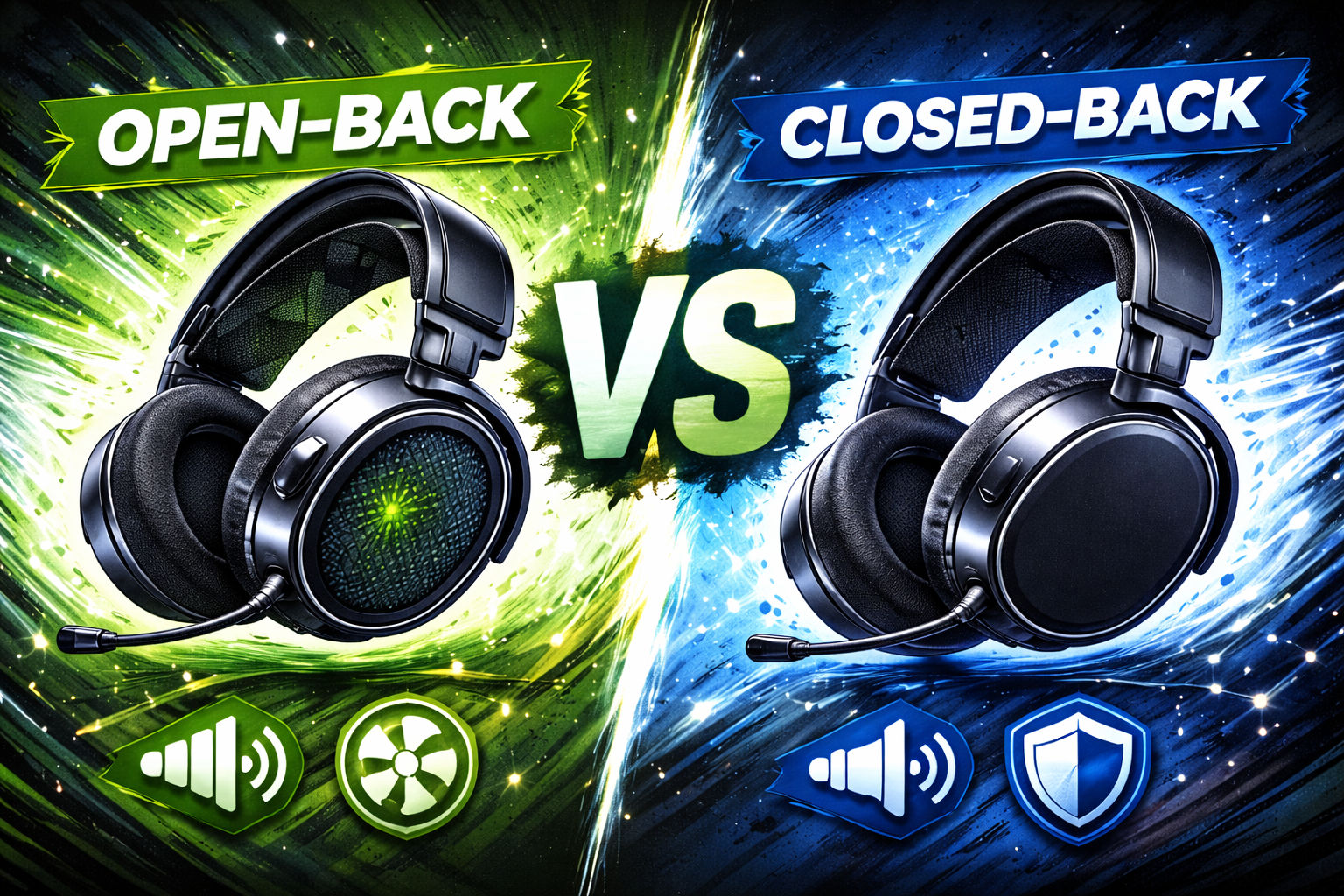
The Virtuoso PRO runs 50mm graphene drivers in an open-back design — the result is a soundstage that sounds natural rather than boxed-in, with precise audio positioning that closed-back designs struggle to replicate. The graphene drivers cover 20Hz–40kHz, running wider than most gaming headsets by a significant margin.
This comes with trade-offs that are non-negotiable. Sound leaks out. Ambient noise comes in. It’s a headset for solo gaming in a quiet environment — not for shared spaces or open offices. At 338g it’s heavier than most alternatives here, which becomes noticeable after a few hours despite the soft fabric ear pads.
The included mic is inline on the cable, not a boom arm. It handles Discord comms adequately, but the mic experience here is the weakest of any headset on this list. Corsair sells this to streamers and creators who use external mics — the included option is an afterthought.
Who it’s for: Solo PC gamers in quiet environments who want audiophile-grade soundstage without crossing into flagship pricing.
6. Best Audio Quality
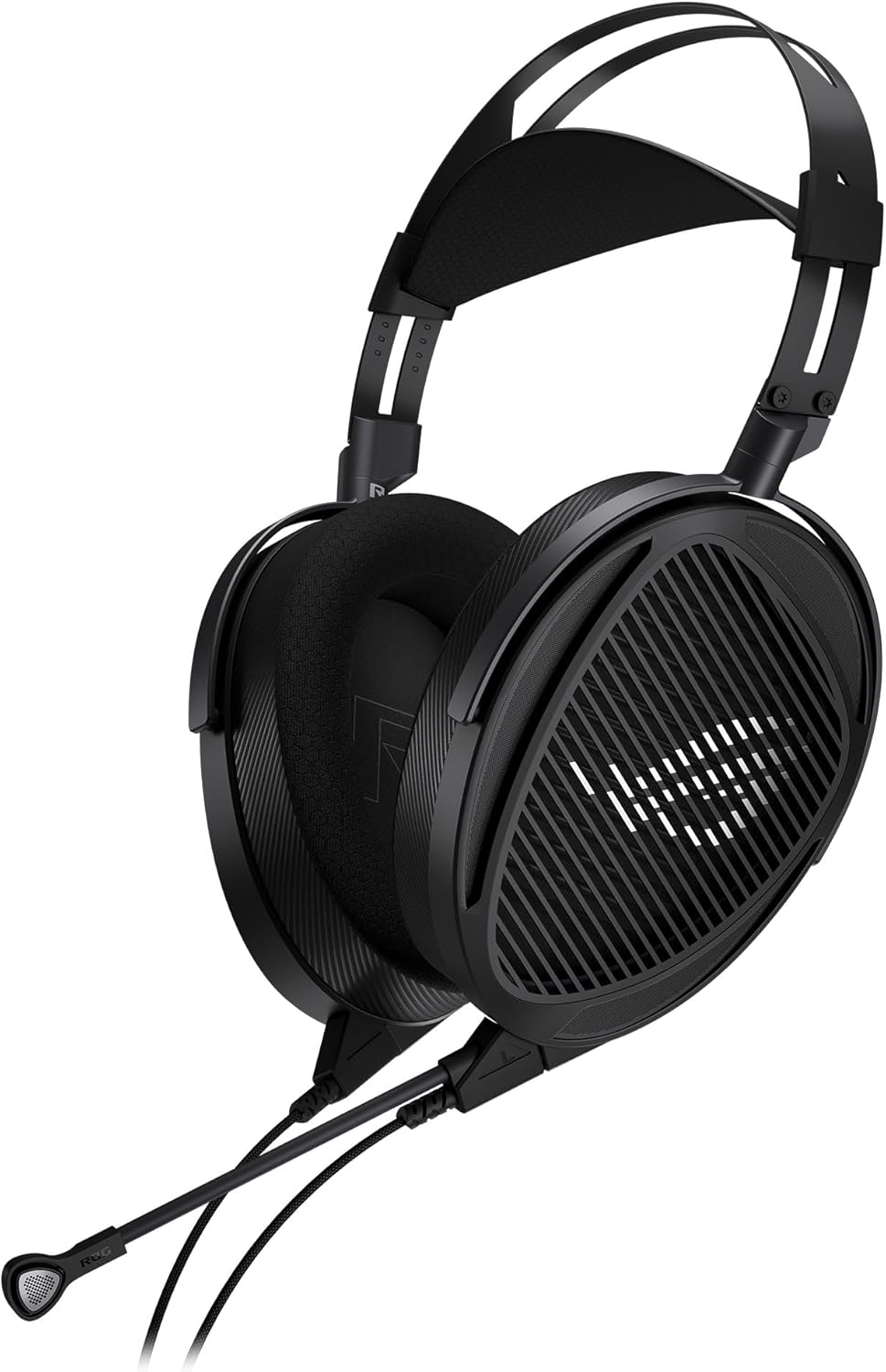
ASUS ROG Kithara
As an Amazon Associate, we earn from qualifying purchases. This helps support our detailed gear research and guide creation at no extra cost to you.
The Kithara is the only gaming headset on this list built around planar magnetic drivers — specifically 100mm HIFIMAN units co-developed with ROG acoustic engineers. Planar magnetic tech is standard in high-end audiophile headphones and almost nonexistent in gaming. The frequency response runs 8Hz–55kHz with total harmonic distortion below 0.03%, numbers that belong on studio monitoring equipment. The open-back design adds a natural, dimensional soundstage that makes positional audio feel spatial rather than simulated.
The MEMS full-band boom mic covers 20Hz–20kHz — a wider response than virtually every condenser mic found in gaming headsets, which typically top out around 10kHz. Dedicated separate wiring for audio and mic signals eliminates the crosstalk that plagues standard TRRS connections. Connectivity is genuinely flexible: swappable 4.4mm balanced, 3.5mm, and 6.3mm plugs, plus a USB-C adapter for consoles and laptops.
The weight is the real trade-off at 420g. The ski-band design helps distribute it, but this is the heaviest headset on the list by a notable margin and it will become apparent in long sessions. At $300, it’s also wired-only with no software platform — the audio quality is the entire value proposition.
Who it’s for: Audiophile gamers who want the best possible sound quality from a gaming headset and game solo in a quiet space.
7. Best Premium Wired
Beyerdynamic MMX 330 Pro
As an Amazon Associate, we earn from qualifying purchases. This helps support our detailed gear research and guide creation at no extra cost to you.
The MMX 330 Pro uses the same STELLAR.45 drivers found in Beyerdynamic’s professional studio monitoring headphones — 48 ohm impedance, 5Hz–40kHz frequency response, open-back design, handmade in Germany. That’s the pitch in one sentence. The positional audio from those drivers is legitimately different from what gaming-specific hardware delivers. Wide soundstage, natural imaging, and a treble-forward signature that makes audio cues read precisely — footsteps at distance, spatial positioning in complex mixes.
The condenser mic is above average for a gaming headset. It’s not broadcast-quality on its own, but it captures voice cleanly without the artificial sheen of typical gaming mics. Like the Virtuoso PRO, this is an open-back — ambient noise is part of the equation. Weight lands at 314g, which feels heavier than that number suggests after long sessions.
At $330, this is a wired-only headset. No wireless option exists. No software platform beyond what your OS provides. The value argument rests entirely on the audio performance, and for competitive and immersive single-player gaming, that argument holds.
Who it’s for: Audiophile-leaning gamers and serious FPS players who game solo and want the best positional audio available in a wired gaming headset.
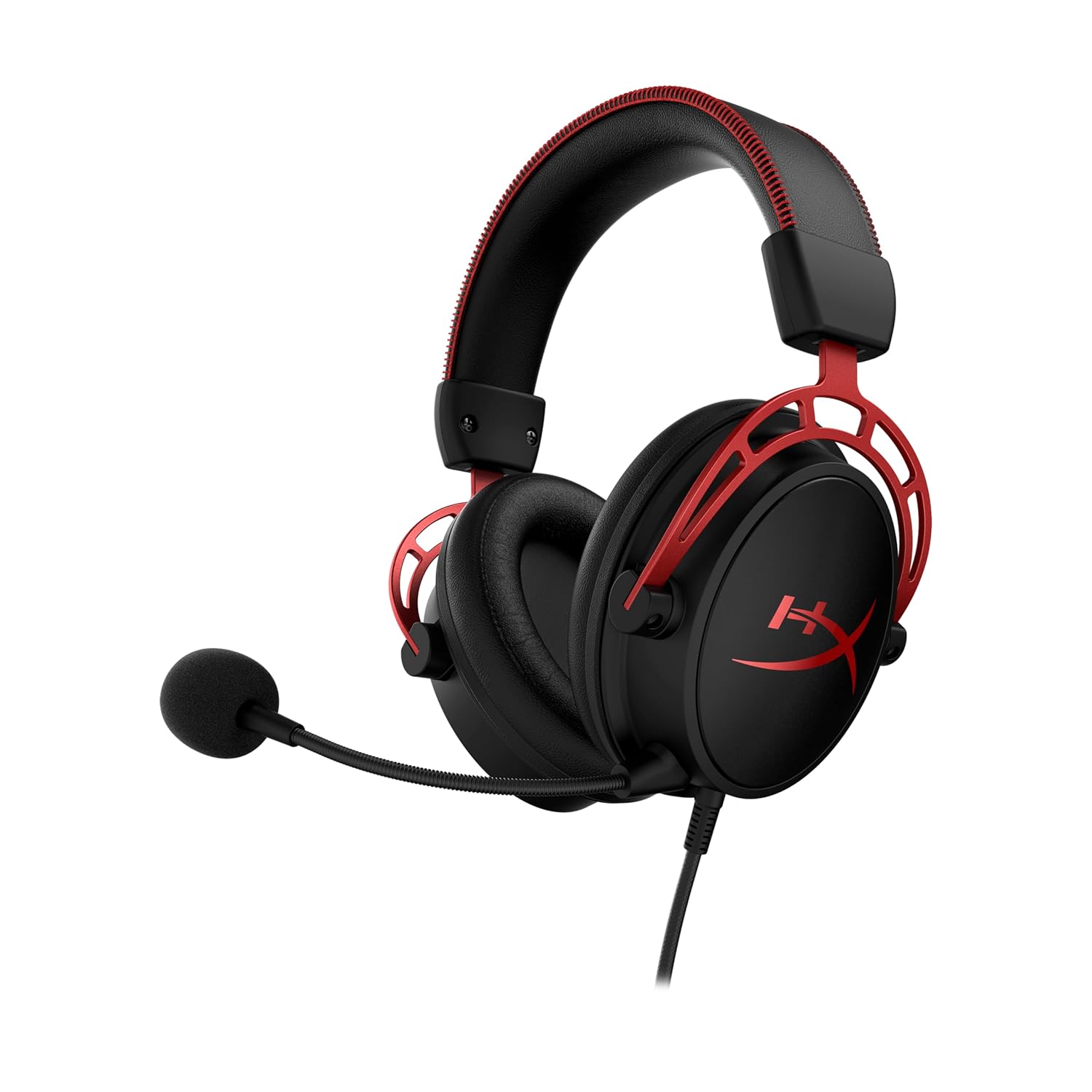
8. HyperX Cloud Alpha — Best Value Standby | ~$50
As an Amazon Associate, we earn from qualifying purchases. This helps support our detailed gear research and guide creation at no extra cost to you.
The Cloud Alpha has been on the market since 2017 and still belongs in a 2026 roundup. Dual-chamber drivers — a design that separates bass frequencies from mids and highs within a single earcup — deliver more driver separation than any headset at this price has any business offering. At around $50, the gap between what this headset costs and what it sounds like is the widest on this list.
Build quality is aluminum frame with leatherette ear pads. It’s heavy for a budget headset at approximately 298g, but the comfort holds up. The detachable braided cable and replaceable ear cushions give it real longevity — this headset can run for years without degrading. The mic is adequate for in-game comms, nothing more.
The Cloud Alpha won’t match the Cloud III in feature coverage or modern driver tuning. For someone who only needs a reliable, great-sounding wired headset and doesn’t want to spend $100, the argument for it over newer competitors is still there.
Who it’s for: Budget-first buyers who want maximum sound quality per dollar and don’t need software features or multi-connection flexibility.
The Case for Wired in 2026
Wireless headsets have solved most of the problems they used to have. Latency is negligible. Battery life is long. Dongles are reliable. But they’ve introduced problems too — firmware that needs updating, dongles that get lost, batteries that stop holding charge after two years, and connection dropouts that happen at the worst possible moments.
Wired doesn’t have any of those problems. It also doesn’t require you to think about your headset before sitting down to play. The best wired headsets on this list — the Cloud III, the Nova 1, the Kithara, the MMX 330 Pro — are genuinely excellent pieces of audio hardware that will outlast most wireless alternatives by years.
If your setup involves a fixed desk, a single platform, and no need to move around the room, there’s a reasonable argument that wired is still the smarter choice.
Note: The Razer BlackShark V3 on our database is the current wireless-only revision. The BlackShark V2 X is the correct wired option from the Razer BlackShark line.
Featured Products
Products mentioned in this article
ASUSROG Kithara

BeyerdynamicMMX 330 Pro
HyperXCloud Alpha
HyperXCloud III
LogitechG Pro X
RazerBlackShark V2 X
SteelSeriesArctis Nova 1

Richard Scott
Headset Expert & Web Developer
Web developer and lifelong gamer. Spends too much time on golf, hockey, and finding the right headset. Lives with a dog who has no opinions on audio quality.