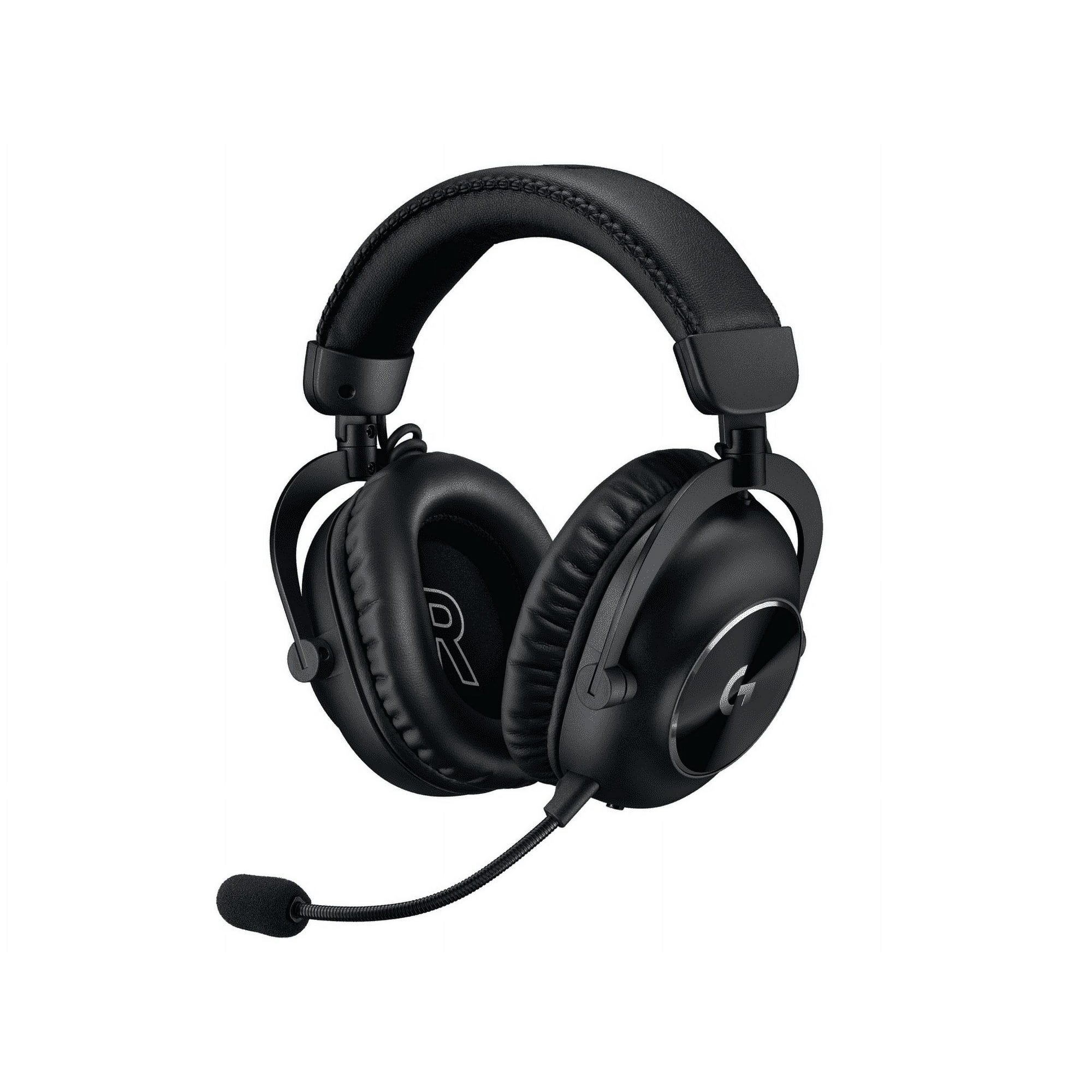
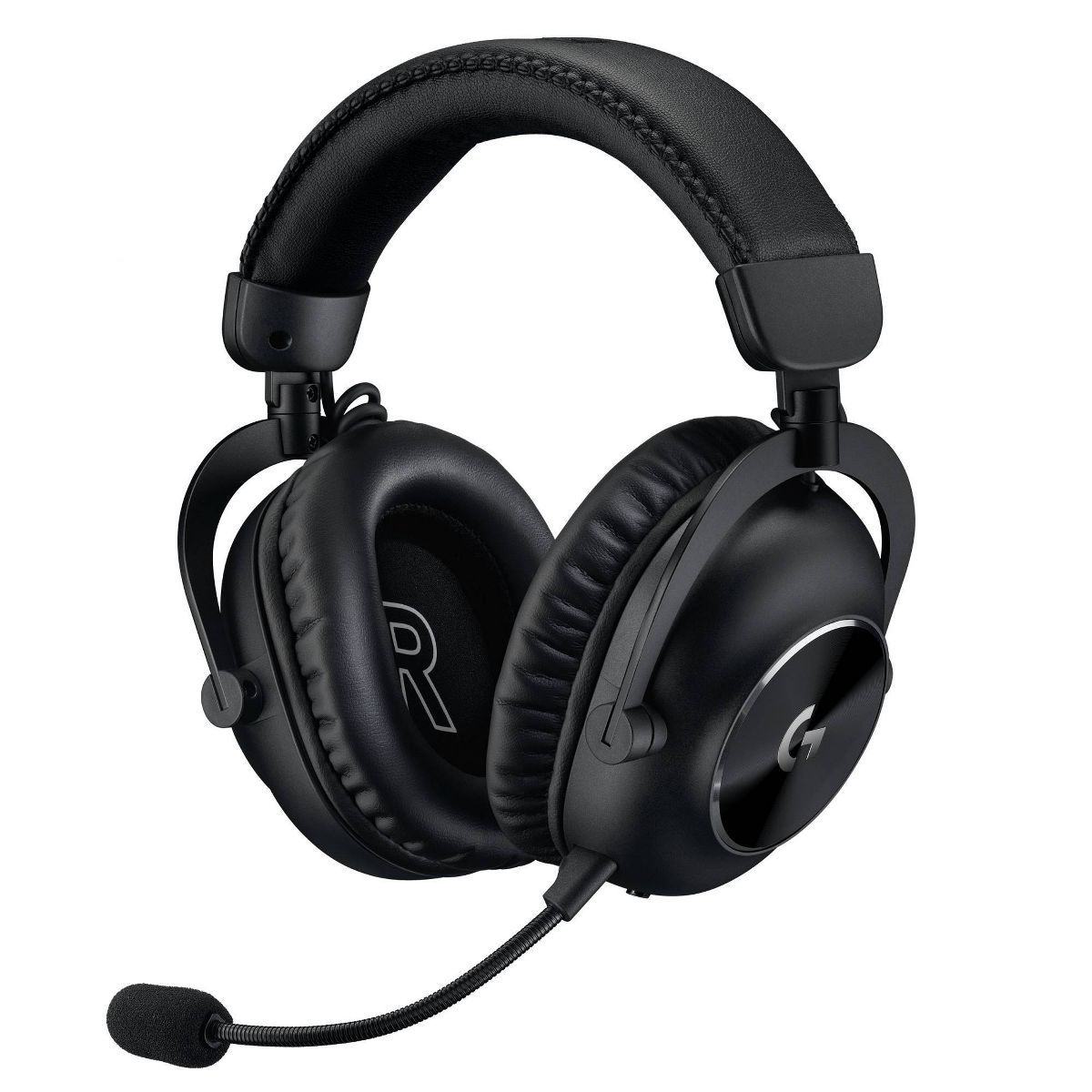
Logitech G Pro X
Professional wired gaming headset featuring Blue VO!CE microphone technology, 50mm PRO-G drivers, DTS Headphone:X 2.0 surround sound, and premium steel and aluminum construction with dual ear pad options.
- Wired
- 50mm Dynamic Drivers
- Detachable Boom Mic
- 320g
*Affiliate Link: We may earn a commission from qualifying purchases.
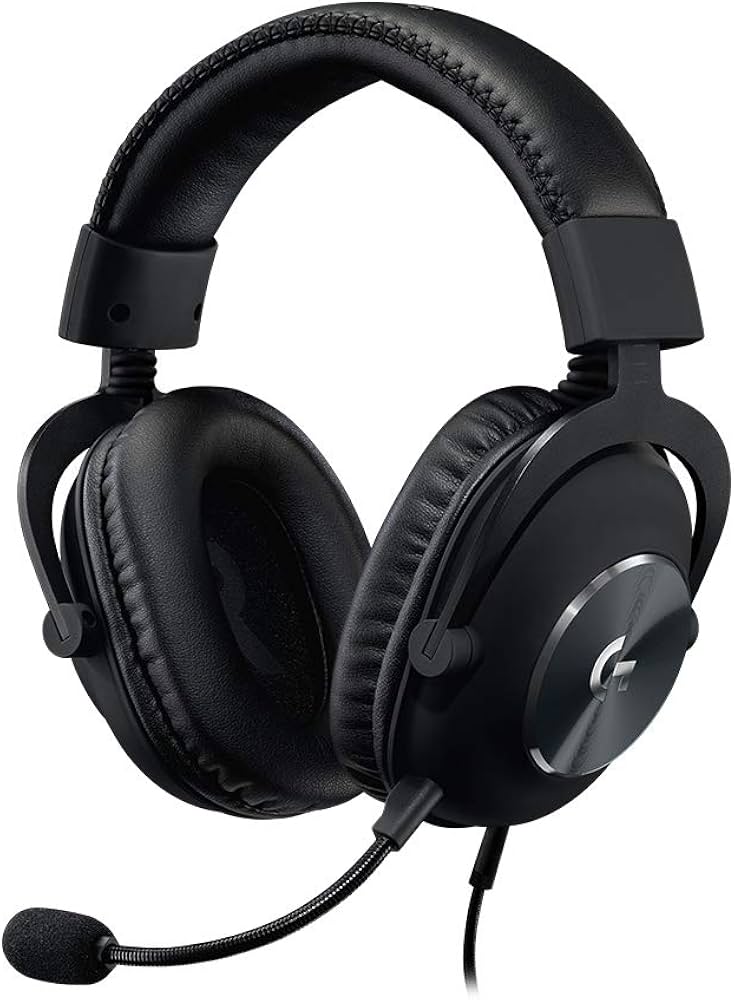
Community Evaluation
Performance Tiers
Community consensus based on aggregated review data.
Fit Recommendation
Optimized for ergonomic comfort over long sessions.
Based on long-term clamping force, headband expansion, and cup depth volume.
Review Consensus
Aggregated from 1200+ verified sources.
Technical Specifications
Audio
Connectivity
Microphone
Build & Features
Overview
The Logitech G Pro X represents a significant milestone in gaming audio—it’s the headset that introduced Blue VO!CE microphone technology to the gaming world and set a new standard for what “pro-grade” audio equipment could deliver at an accessible price point. Released in July 2019 after extensive collaboration with professional esports athletes, this wired headset combines tournament-tested reliability with innovative audio processing technology, all wrapped in a refined aesthetic that eschews typical gaming flashiness for understated professionalism.
At $129.99, the G Pro X occupies an interesting position in Logitech’s lineup—it’s more affordable than its wireless successor (the Pro X Wireless) and much less expensive than the latest Pro X 2 Lightspeed, yet it delivers much of the same core audio experience. The philosophy behind the Pro X is elegantly simple: eliminate anything that might distract from performance, focus relentlessly on sound quality and communication clarity, and provide tournament-ready reliability. This approach manifests in a headset that prioritizes substance over style, with every design decision serving a functional purpose rather than aesthetic excess.
Key Features
Blue VO!CE Microphone Technology: The standout feature of the G Pro X is its integration of Blue Microphones’ professional audio expertise through the Blue VO!CE software suite. When connected via the included USB external sound card to a Windows PC running G HUB software, users gain access to studio-grade voice processing tools including real-time voice filters, noise reduction, compression, de-essing, and a high-pass filter. These aren’t just gimmicky presets—they’re genuine broadcast-quality tools that transform the 6mm detachable cardioid microphone from merely good to genuinely professional sounding. The difference is immediately audible; voices come through richer, cleaner, and more articulate, making this an exceptional choice for streamers and content creators who want broadcast-quality audio without investing in dedicated USB microphones.
PRO-G 50mm Hybrid Mesh Drivers: Logitech developed these custom drivers specifically for the Pro series, featuring a unique hybrid mesh construction that delivers precise sound imaging and enhanced bass response. The technology combines a traditional driver cone with an added mesh layer that helps control distortion and improve transient response. The practical result is exceptional clarity across the frequency spectrum—bass hits with controlled impact without bleeding into the mids, dialogue and voice communications remain crystal clear, and treble delivers detail without harshness. For competitive gaming where hearing subtle audio cues like footsteps and reloads can mean the difference between winning and losing, these drivers provide the competitive edge that justifies the “Pro” designation.
Premium Dual Ear Pad System: Rather than forcing users to choose between isolation and comfort, Logitech includes two complete sets of memory foam ear pads: premium leatherette for superior passive noise cancellation and enhanced bass response, and soft breathable velour for extended comfort during marathon gaming sessions. Both sets feature thick, plush memory foam that conforms to the shape of your head and ears, and they’re easily swappable using a simple snap-on mechanism. This flexibility lets you optimize for your specific needs—use leatherette for competitive gaming where isolation matters, switch to velour for comfort during long streaming sessions, or alternate based on ambient temperature and humidity.
Tournament-Grade Build Quality: The G Pro X features a durable aluminum fork and steel headband construction that’s built to withstand the rigors of professional esports competition and frequent travel. The frame is robust without being heavy, weighing just 320 grams—light enough for all-day comfort but substantial enough to feel premium. The exposed metal construction and understated design aesthetic make this one of the few gaming headsets that wouldn’t look out of place in a professional environment, and every connection point and hinge feels engineered for longevity. The included hard carrying case protects the headset and all accessories during transport, making this an ideal choice for LAN tournaments and frequent travelers.
Professional USB External Sound Card: The included USB DAC (digital-to-analog converter) is more than just an adapter—it’s a high-quality external sound card that delivers superior audio processing compared to typical onboard PC audio. It features onboard memory that can store your custom EQ profiles and settings, enabling you to use your personalized audio setup on tournament PCs without needing to install software. The DAC also serves as the gateway to DTS Headphone:X 2.0 surround sound processing, which creates an immersive 7.1 channel experience from the stereo drivers. While purists may debate the merits of virtual surround, the implementation here is tasteful and genuinely enhances positional awareness in supported games without creating artificial echo or muddiness.
Audio Quality
The PRO-G 50mm drivers deliver audio quality that punches significantly above the G Pro X’s mid-range price point. The frequency response of 20Hz-20kHz is captured with impressive fidelity and balance—there’s no artificial bass boost or treble spike to create an initially impressive but ultimately fatiguing sound signature. Instead, Logitech has tuned these drivers for accuracy and detail, prioritizing competitive advantage over cinematic bombast.
Bass response is controlled and precise, providing enough impact to make explosions and gunfire feel substantial without overwhelming other frequencies. This restraint serves competitive gaming exceptionally well—in titles like Valorant, CS:GO, or Rainbow Six Siege, you can clearly hear enemy footsteps even during intense firefights because the bass doesn’t bleed into the crucial mid-range frequencies where those audio cues live. For music listening and media consumption, the bass may initially seem underwhelming compared to more consumer-oriented headsets, but extended listening reveals the benefit of this approach—details remain clear, fatigue sets in more slowly, and the overall experience feels more natural.
Mid-range clarity is exemplary, which translates to excellent voice reproduction both in-game and during voice communications. Dialogue in story-driven games comes through with natural timbre and good intelligibility, while voice chat remains crystal clear even in chaotic team fights. The treble is detailed and extended without becoming harsh or sibilant, allowing you to hear environmental details like bullet casings hitting the ground or distant gunfire without wincing at sharp sounds.
When connected via the USB DAC, the DTS Headphone:X 2.0 processing adds an optional layer of spatial audio enhancement. The virtual surround implementation is among the better examples in gaming headsets—it creates a convincing sense of 3D space without the artificial echo chamber effect that plagues many virtual surround systems. In games with good spatial audio design, you can reliably determine whether sounds are coming from in front or behind, above or below. However, the headset sounds excellent even in stereo mode, and many competitive players prefer the purity of two-channel audio for ranked play.
Comfort & Build
At 320 grams, the G Pro X hits an excellent balance between substantial feel and lightweight comfort. The steel headband and aluminum forks create a durable foundation that feels premium in hand, while the weight distribution ensures that no single pressure point bears too much load. The headband padding is covered in quality leatherette with generous memory foam cushioning that prevents the steel frame from creating discomfort at the crown of your head, even during 8+ hour gaming sessions.
The ear cups are generously sized and the oval shape accommodates a wide range of ear sizes without the drivers making contact with your ears—a common issue with budget headsets that can create significant discomfort during extended use. The memory foam in both the leatherette and velour pads is high-density and resilient, maintaining its shape and comfort properties even after months of daily use. The leatherette pads create an excellent seal for passive noise isolation and enhanced bass response, though they can get warm during summer months or in environments without air conditioning. The velour pads trade some isolation for breathability, making them the better choice for marathon gaming sessions or warmer climates.
The clamping force is moderate—tight enough to keep the headset stable during movement but not so aggressive that it causes headache or tension around the temples. Glasses wearers should find the G Pro X quite accommodating, especially with the velour pads which compress more easily around frames. The aluminum forks allow for smooth extension adjustment with clear notches at each position, and once set, they stay firmly in place without creeping looser over time.
Build quality throughout is excellent. The steel headband flexes without feeling fragile, the aluminum forks show no signs of stress cracking even after repeated adjustments, and the removable ear pads snap securely into place with satisfying precision. The 3.5mm ports for the detachable cable and microphone feel robust with firm connection points that don’t wiggle or feel loose. The only materials concern is the braided cable, which while durable and tangle-resistant, can be noisy when it rubs against clothing—a common issue with braided cables that may bother some users during quiet moments.
The included soft carrying case provides excellent storage and travel protection, with dedicated compartments for the headset, cables, extra ear pads, and USB DAC. Everything fits neatly without cramming, and the bag’s quality construction suggests it will hold up well to frequent travel. This level of accessory consideration is rare at this price point and speaks to Logitech’s commitment to the “professional” positioning of the Pro series.
Verdict
The Logitech G Pro X represents one of the best values in wired gaming headsets, particularly for competitive gamers and content creators who prioritize audio quality and communication clarity over wireless convenience or RGB aesthetics. The combination of PRO-G drivers, Blue VO!CE microphone technology, premium build quality, and comprehensive accessory package creates a complete professional audio solution that genuinely delivers on its pro-grade promises.
What sets the Pro X apart from similarly priced competitors is the depth of its software feature set through G HUB. The Blue VO!CE microphone processing isn’t just a marketing gimmick—it’s genuinely professional-grade technology that can eliminate the need for dedicated broadcast microphones for many streamers and content creators. The ability to store custom EQ profiles directly to the USB DAC’s onboard memory makes this an ideal tournament headset, allowing players to maintain their preferred audio settings on any PC without software installation.
However, the Pro X is not without limitations. The most significant is its reliance on the included USB DAC and G HUB software to access its best features—when used with the standard 3.5mm connection, you lose access to Blue VO!CE processing, DTS Headphone:X 2.0 surround, custom EQ, and all the advanced audio customization that makes this headset special. This isn’t a deal-breaker for PC gamers who can always use the USB connection, but console players should be aware they’ll be getting a more basic experience. The braided PC cable, while durable, can be noisy when rubbing against clothing—a minor annoyance that some users find distracting.
The lack of wireless connectivity will be a deal-breaker for some users, especially in 2026 when wireless technology has matured significantly and battery life concerns have largely been addressed. If you frequently move around while gaming or hate dealing with cable management, the Pro X Wireless or Pro X 2 Lightspeed may be worth the additional investment. However, for competitive players who value the zero-latency connection and never-needs-charging reliability of wired audio, the lack of wireless is actually a feature rather than a limitation.
Who Should Buy: The Logitech G Pro X is ideal for competitive PC gamers who prioritize audio quality and communication clarity, particularly in esports titles where sound gives competitive advantages. Content creators and streamers who want professional-sounding voice quality without buying dedicated microphones will find exceptional value. Players who participate in LAN tournaments will appreciate the portable design, tournament-grade build quality, and USB DAC with onboard memory. Anyone seeking a professional-looking headset that can pull double duty for gaming and video calls in work-from-home scenarios will find the refined aesthetic and excellent mic quality perfectly suited to this purpose.
Who Should Consider Alternatives: If wireless connectivity is non-negotiable, look at the Logitech G Pro X Wireless (same audio quality, no wires, $70 more) or the newer Pro X 2 Lightspeed (upgraded drivers, more features, much more expensive). Console-focused gamers who won’t have access to G HUB software might get more value from headsets that don’t rely so heavily on PC software for their best features, like the SteelSeries Arctis 7. Users who prefer lightweight headsets may find the 320-gram weight slightly heavy compared to ultra-light options like the SteelSeries Arctis Nova 1.
Five years after its release, the Logitech G Pro X remains remarkably competitive. While newer models have surpassed it in some areas—wireless technology has improved, ANC has become more common, and driver technology continues evolving—the fundamentals of audio quality, build excellence, and professional-grade microphone processing that made the Pro X special in 2019 continue to deliver value in 2026. At its current price point (often available for $100 or less on sale), it represents one of the best values in wired gaming audio, offering genuinely professional features without the professional price tag. For competitive gamers and content creators who understand that great audio requires no compromises, the G Pro X delivers exactly what they need—and nothing they don’t.
Frequently Asked Questions
Based on community census data and common user queries, these are the most frequently discussed topics for this headset.
Why is NPC or character audio missing in some games?
The USB DAC defaults to 7.1 surround sound, which breaks positioning in games expecting stereo. Bypass the DAC and plug directly into the 3.5mm jack or toggle Windows sound settings to 'Stereo' to restore voice clarity. It's a recurring conflict in titles like Rainbow Six Siege where ambient sounds override character dialogue.
What's the difference between using the USB DAC and the 3.5mm cable?
The USB DAC is required for Blue VO!CE and DTS:X processing. Plugging directly into 3.5mm gives you a pure analog signal but disables all G Hub software enhancements. If you don't need the mic filters or virtual surround, the 3.5mm connection avoids potential G Hub software hangs.
Does the Blue VO!CE microphone actually sound professional?
It's the best mic in its price bracket when used with the USB DAC. Without the DAC, it's just a standard 6mm boom mic. With G Hub filters active, it eliminates background hiss and creates a deeper broadcast tone that holds up for streaming, though it won't beat a dedicated Shure or Rode setup.
Can I use the Logitech G Pro X with Xbox?
Yes, but only via the 3.5mm cable plugged into the controller. The USB DAC is not compatible with Xbox consoles. You lose the software EQ and Blue VO!CE filters, meaning you're relying on the headset's raw driver tuning and the console's built-in spatial audio.
Are the velour ear pads better than the leatherette ones?
Velour is the choice for marathon sessions because it breathes and prevents heat buildup. Leatherette offers significantly better passive noise isolation and punchier bass response at the cost of 'ear sweat.' Most competitive players stick to leatherette to block out background noise.
Support & Resources
Related Articles

More from Logitech
Discover other headsets in their lineup
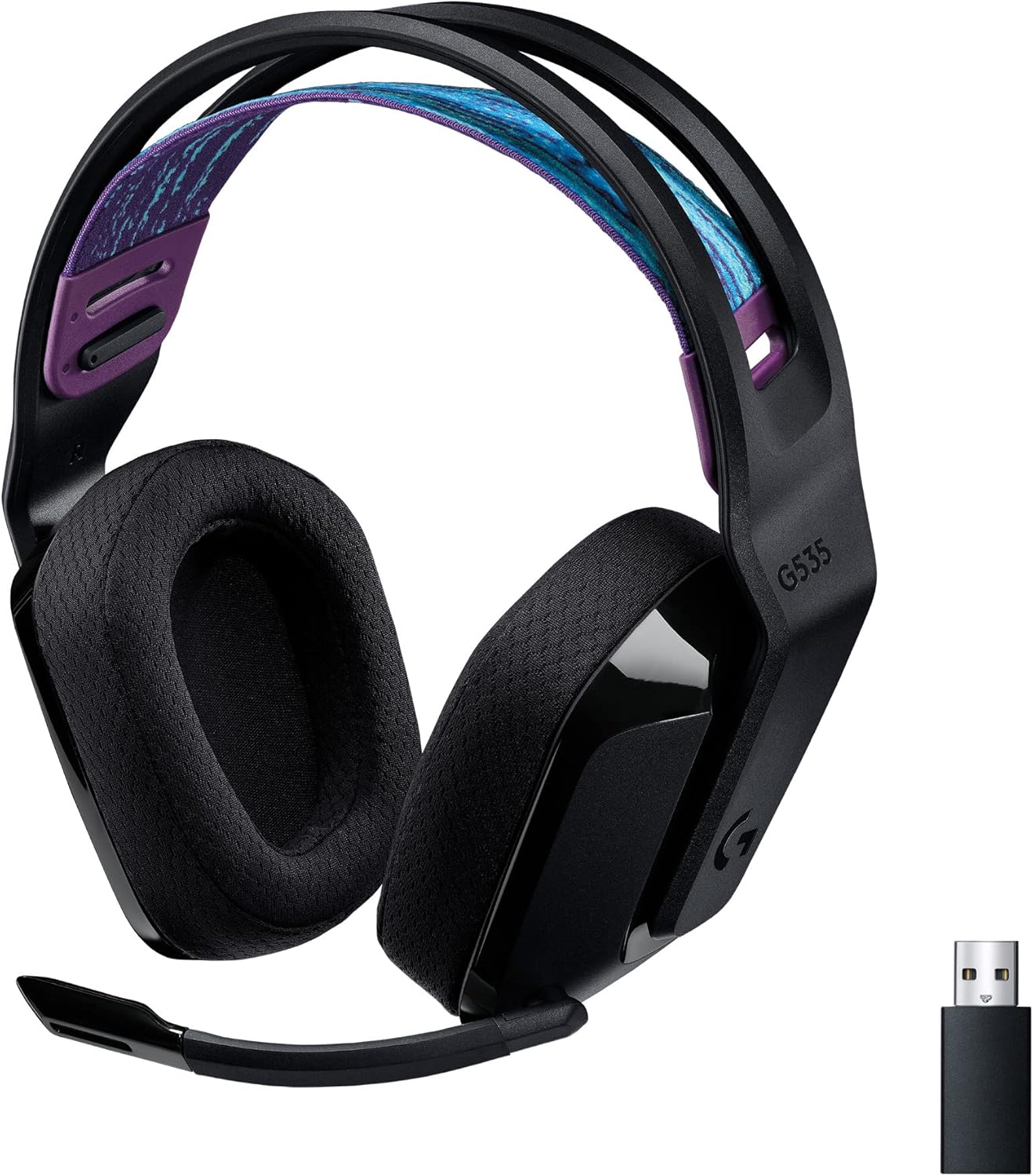
LogitechG535
LogitechPro X 2 Lightspeed